While conventional testing is more of a report card on your current health status, testing for microbiomes can provide an insight into the biological context in which illness arises

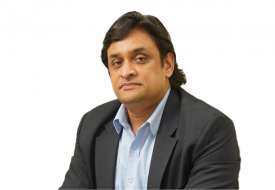
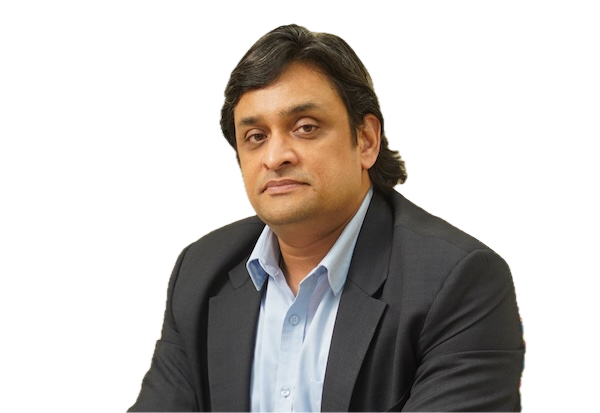
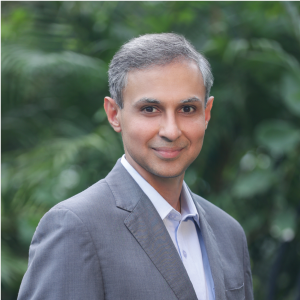
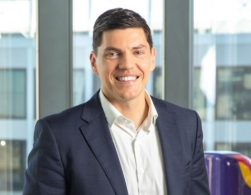
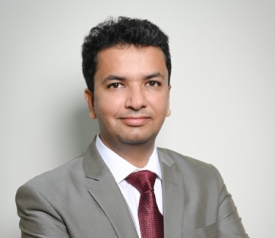
Dr. Debojyoti Dhar, Co-founder, BugSpeaks
In an exclusive interview with Rahul Koul, Editor, Indian Pharma Post, Dr. Debojyoti Dhar, Co-founder, BugSpeaks shares his perspectives on why microbiome science is gaining global attention and what it could mean for the future of healthcare in India.
Why is the microbiome emerging as the next frontier in preventive, personalised, and precision healthcare?
The importance of the microbiome is that it provides a dynamic perspective on one’s health. The composition of the microbiome changes depending on your diet, medicines, environment, and lifestyle, which could influence your metabolism, immune system, and inflammation, which is extremely important from the perspective of prevention.
While conventional testing is more of a report card on your current health status, testing for microbiomes can provide an insight into the biological context in which illness arises. The most important aspect is shifting from a question such as “What disease does this patient have?” to a different question: “What biological processes are occurring and at what stage can intervention be done?”
How are advances in microbiome research reshaping our understanding of chronic diseases, disease prevention, and overall human health?
In certain cases, chronic diseases may not arise due to one single anomaly or behavior in a person’s lifestyle. The human microbiome adds another layer of complexity to the problem. Microbiome impacts nutrient metabolism, regulation of inflammation and immune system reactions. What is especially relevant is the individual variability.
Two patients may have identical clinical symptoms but have different microorganisms within their body and different reactions to treatment. It is for this reason that modern research on the human microbiome no longer focuses only on determining "good" and "bad" bacteria. The key question is what functional role does the microbiome play in relation to the patient's condition.
How will the convergence of genomics, artificial intelligence, and microbiome science transform the future of diagnostics, therapeutics, and personalised medicine?
The real potential would be found in the integration of biological layers rather than analyzing each one separately. Genomics reveals inherited risk factors. Information about the microbiome reflects a much more dynamic biological landscape. AI helps find the connections within the two which may not be apparent using traditional methods.
This may lead to new ways of patient stratification in clinical trials, new approaches to developing disease risk models, as well as the matching of treatments with individual biology. Nevertheless, there is an important distinction between discovering the pattern and proving its clinical importance. While machine learning can help us make discoveries faster, the process of validation will remain rigorous.
With its growing scientific capabilities and biotechnology ecosystem, can India position itself as a global hub for microbiome research and innovation?
Perhaps India’s greatest strength is also the factor that makes its microbiome hard to generalize. There are significant differences in dietary patterns, antibiotic usage, geography, lifestyles, and genetics within the population. At the same time, Indian populations are still significantly under-represented in world microbiome data sets.
This is an area where India could make a difference scientifically. Rather than using general reference data sets created for the Western populations, India needs to create longitudinal data sets specific to the Indian population. And when that is tied up with diagnostics, clinical validation, and biotechnology, there is scope for something unique to be achieved by India in the world of microbiome science.
Why is cross sector collaboration among researchers, clinicians, industry leaders, and policymakers critical to translating microbiome discoveries into real world healthcare solutions?
The field of microbiome science is currently on the frontier of many areas of science, and it is this fact that makes fragmentation a problem. A scientist may discover a very important connection between microbes, but a doctor has to decide whether or not it will affect his approach to treating the patient.
Industry has to find ways of turning that discovery into a useful diagnosis or treatment tool, and policymakers have to have ways of validating the results, using the data, and adopting the treatment. We also need standard methods for collecting and interpreting the samples used. Otherwise, we simply cannot compare the results from one study to another.
What key insights, breakthrough innovations, and emerging trends can the global scientific community expect from the upcoming event, World of Microbiome 2026?
I hope that the discussion at the World of Microbiome 2026 will shift decisively from the question "What are the microbes present?" to "What are they doing? And what can we do with that information?" This will involve increased focus on functional microbiome studies, clinically validated biomarkers, personalization, microbiome based therapies, and interpretation of complex data through AI.
In the case of India, another equally crucial discussion would be one of representation. South Asian populations must be included in the evidence base informing microbiome science globally rather than just being consumers of knowledge based on other populations. The most valuable outcome of the event would be stronger connections between discovery and application, particularly across research, diagnostics, therapeutics and clinical practice.

Subscribe To Our Newsletter & Stay Updated