We are expanding into the Middle East, Southeast Asia and Africa, where high musculoskeletal disease burden, growing private healthcare and demand for affordable quality care create strong opportunities for Indian-developed solutions
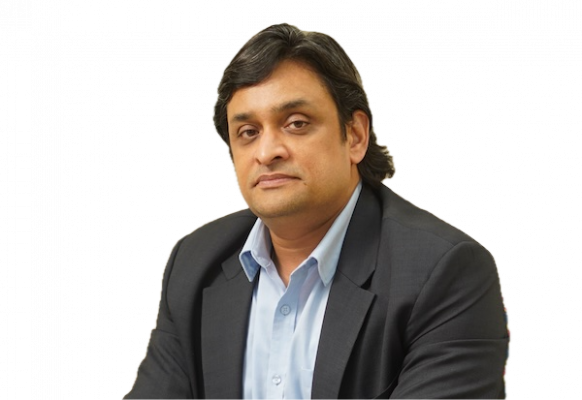
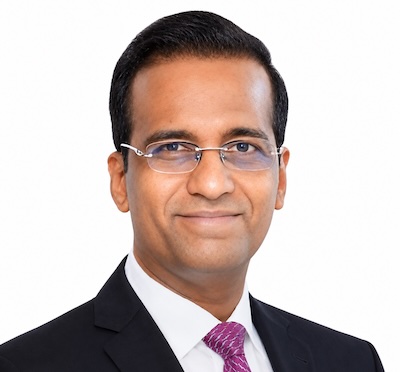
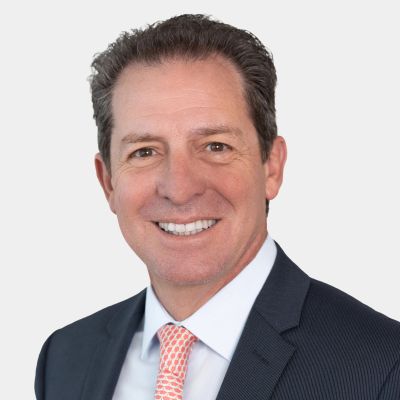
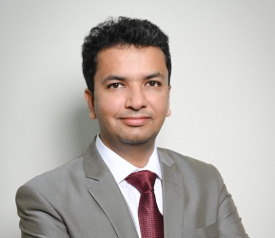
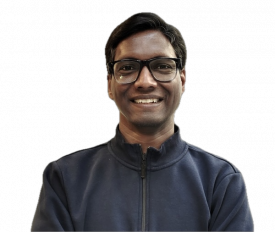
Niteen Tulpule, , Founder & Director, Orthobiologix Biotech
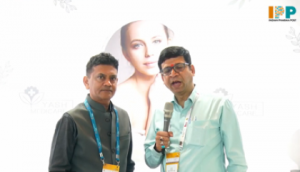
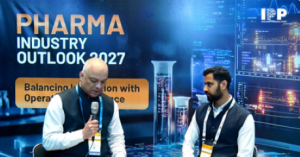
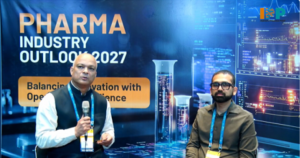
In an exclusive interview with Rahul Koul, Editor, Indian Pharma Post, Niteen Tulpule, Founder & Director, Orthobiologix Biotech discusses the evolving orthobiologics and regenerative medicine landscape, emerging opportunities in joint preservation, R&D and regulatory priorities, and Orthobiologix’s ambition to take Indian-developed solutions to global markets.
How do you assess the current state of the orthobiologics and regenerative medicine market, and what are the key opportunities emerging in this space?
It's a very exciting time to be in this field. The Global Burden of Disease study estimated that about 62 million Indians were living with osteoarthritis in 2019, and that number continues to rise as we live longer and stay active longer. Research firms expect the global orthobiologics market to cross USD 11 billion by 2033. These are third-party estimates and they vary from source to source, but they all point in the same direction.
What has really changed is the patient. People in their 40s and 50s don't want to wait for a joint replacement, and they don't want to give up running, trekking or playing with their grandchildren. They're asking their doctors about options that work with the body's own biology.
I see three big opportunities. The first is point-of-care autologous kits, which allow doctors to process a patient's own tissue in the clinic on the same day. The second is physician education, because this field can only grow as fast as the number of skilled doctors. The third is affordability. India can develop quality solutions at a price that works here, and that price point also works in many other markets.
How is Orthobiologix approaching the development of next-generation orthobiologic solutions, and what differentiates its approach from existing treatment options?
We start with a simple question: what does the doctor need in the procedure room? Science matters, of course, but consistency, ease of use and cost ultimately determine whether a product gets adopted.
Our micronised fat kit, US-FDA cleared in association with a US company, is the first result of that thinking. It has recently received regulatory approvals. We also have two other autologous products at various stages of development and regulatory approval.
Joint preservation procedures sit between conservative care and surgery. For the right patient, they offer a middle path. We see them as complementing existing options, not replacing them.
What sets us apart is how closely we stay connected to clinical practice. Our clinic in Mumbai focuses on joint preservation procedures, and we work closely with physicians through academic programmes and our international conference platform. So what we develop is shaped by real clinical experience and, importantly, by what doctors tell us they need.
What role does R&D play in Orthobiologix's growth strategy, and how are you balancing scientific innovation with the need to develop commercially viable products?
R&D is central to where we want to go. We're in discussions with several institutions about collaborative research, because partnering with established research centres is the right way to build evidence that doctors and regulators can trust.
My years at GE Capital and KPMG taught me that a good idea has to work outside the lab too. So before we commit to anything, we ask three questions: Does the doctor need it? Can we make it consistently? Can patients afford it?
If a product can't clear all three, it isn't ready, however clever the science. That discipline keeps us focused. It also means that when we launch something, it's built to be used widely and not simply admired in a paper.
How do you see the regulatory environment evolving for orthobiologics and regenerative medicine, and what changes would help accelerate responsible innovation?
India's regulatory framework has matured considerably in recent years, and that's good for everyone. Clear rules give patients confidence, protect doctors and reward companies that do things properly. Our own approval experience has shown us that the system works when you engage with it seriously.
A few changes could help the field move faster while maintaining high standards. The biggest is wider insurance coverage. Today, most patients pay for these procedures out of pocket, which puts them out of reach for many people. These procedures are minimally invasive and use the patient's own tissue, and published studies indicate that serious adverse events are uncommon. Bringing appropriate procedures under insurance coverage could lower costs and open access to many more patients.
Predictable approval timelines would help companies plan investments. Shared outcome registries would give the industry real-world data to learn from. And regular dialogue between regulators, clinicians, insurers and industry would help build a more effective ecosystem.
The goal is the same for all of us: safe, effective and affordable care.
As the sector matures, how do you expect the business model for orthobiologics to evolve from individual products and procedures towards integrated regenerative solutions?
Right now, much of the industry is built around single products or individual procedures. A company sells a kit, a clinic offers a procedure, and the pieces don't always connect.
I think that will change. The future is a complete package: the right device, a clear protocol, proper training, patient-selection guidance and outcome tracking, all working together. Doctors want something they can rely on from start to finish, and patients want confidence in the whole journey, not just one step.
This shift will also raise standards. When everything is connected, it becomes easier to measure outcomes, identify what works and improve. Companies that can offer that full picture, in partnership with doctors, will help shape the next phase of the industry.
What is Orthobiologix's ambition in the global market, and where do you see the strongest opportunities for Indian-developed orthobiologic technologies?
Our ambition is to build in India for the world. We're currently exploring the Middle East, Southeast Asia and Africa. These regions have a large burden of joint and musculoskeletal problems, growing private healthcare systems and a real need for quality care at a sensible cost. That's exactly where Indian-developed solutions can fit well.
We already have strong international academic relationships, and our conference platform brings faculty from across the world to Mumbai every year. That gives us a solid base to build on.
Indian healthcare has already shown the world that it can deliver quality at scale. I believe orthobiologics is another area where India can make a meaningful global contribution.

Subscribe To Our Newsletter & Stay Updated