In my experience, India delivers the most value as part of a global development plan, not as a cost line. The sponsors who succeed treat the country as part of global development and hold their partners to global standards
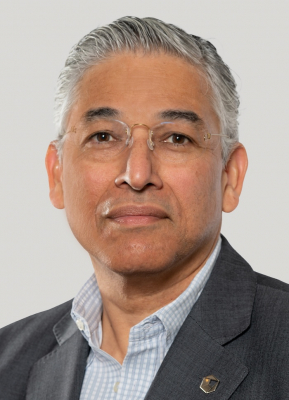
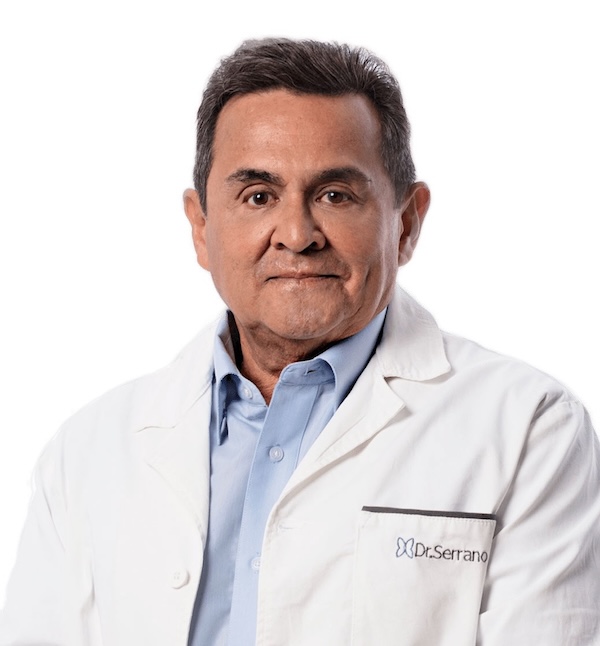
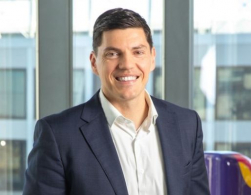
Dr. Avi Kulkarni, Chief Executive Officer, InoRx
In an exclusive interview with Rahul Koul, Editor, Indian Parma Post, Dr. Avi Kulkarni, CEO, InoRx shares insights on his company’s current activities, India’s clinical research market, regulatory scenario, growth prospects and more
Global sponsors are looking at India more seriously for Phase I–II clinical programs. What is driving this shift, and what should US and European biotech companies understand before choosing India as a trial destination?
Three forces drive the shift. The first is who runs early development. The IQVIA Institute reported in 2026 that emerging biopharma companies accounted for 68% of clinical trial starts in 2025, up from 56% in 2019, and IQVIA told a US House subcommittee in July 2026 that these companies drive more than three-quarters of new Phase I trials. A Series A or B biotech preparing a first-in-human (FIH) study has a limited runway and needs capacity wherever it can find it.
The second is geography. IQVIA's Global Trends in R&D 2025 report found that Western Europe's share of trial country-uses fell from 32% in 2019 to 28% in 2024. Sponsors that want to spread country risk need credible alternatives.
The third is regulation. India's New Drugs and Clinical Trials (NDCT) Rules, 2019 and the amendments since have given sponsors defined review timelines and a clearer path through the Central Drugs Standard Control Organization (CDSCO).
Before choosing India, a US or European biotech should settle two questions. First, what will the data support? If the cohort feeds an Investigational New Drug (IND) application or a European filing, design for that standard from day one, with Good Clinical Practice (GCP) conduct aligned with the International Council for Harmonisation (ICH) E6(R3) guideline and source records that a US Food and Drug Administration (FDA) or European Medicines Agency (EMA) inspector can follow. Second, how will sponsor oversight work across time zones, including who makes dose-escalation decisions?
In my experience, India delivers the most value as part of a global development plan, not as a cost line.
For emerging biotechs, speed to first patient is a critical priority. Where does India offer a genuine advantage in trial start-up and patient enrolment, and what does it take for a CRO to deliver predictable timelines?
India's advantage in speed to first patient comes from defined regulatory timelines and access to large hospital treatment-naïve patient populations. Under the NDCT Rules, CDSCO must decide on a clinical trial application within 90 working days for a drug developed outside India and 30 working days for one developed in India. Ethics committee (EC) review can run in parallel, and registration with the Clinical Trials Registry-India (CTRI) precedes first enrollment. Because each step follows a known sequence, a sponsor can plan realistically from the start.
Enrollment is harder. The IQVIA Institute reported in 2026 that oncology enrollment durations remain significantly longer than those in other therapeutic areas, and a large population does not guarantee fast enrollment when eligibility is narrow or sites compete for the same patients.
In my view, a Contract Research Organization (CRO) delivers predictable timelines through four practices: feasibility based on actual screening and screen-failure rates rather than site estimates; parallel EC submission, contracting and site training; backup sites qualified before they are needed; and enrollment data shared with the sponsor in near real time.
InoRx has mapped a seven- to eight-week pathway for Phase I site setup and activation, excluding regulatory approval and CTRI registration, which sit outside any CRO's control. In one rescue study in an anemic patient population, the first patient enrolled within two days of site activation and recruitment closed in about 25 days.
I would be wary of any CRO that commits to a first-patient-in date before it has seen the protocol.
How can India’s diverse patient population and expanding clinical research network support complex early-phase studies, particularly in oncology and other specialised therapeutic areas?
India's diversity is genetic as well as demographic. The GenomeIndia project, published in Nature Genetics in April 2025, sequenced about 10,000 genomes from 83 population groups and found many variants absent from global reference databases. That matters for pharmacogenomics, dose selection and the generalizability of pharmacokinetic (PK) data.
The clinical need is large. The Indian Council of Medical Research (ICMR) National Cancer Registry Programme estimated about 1.57 million new cancer cases in India for 2025. Globally, the IQVIA Institute reported in 2026 that oncology made up 38% of Phase I to III industry trial starts in 2025, with one-third of those oncology trials involving novel modalities such as antibody-drug conjugates and cell and gene therapies.
Those modalities need more than patient volume. For complex early-phase oncology, I look for investigators with dose-escalation experience, inpatient capacity for intensive PK sampling, a laboratory with validated biomarker assays and immediate access to intensive care. India's infrastructure is building toward this. In 2024, ICMR formalized agreements under its Network for Phase 1 Clinical Trials, whose four sites include SRM Medical College Hospital and Research Centre, which in the spirit of full disclosure is affiliated with my company, InoRx
InoRx's delivery is anchored in the SRM Group of hospitals, including a tertiary hospital of more than 1,200 beds, and the team's oncology work includes HER2-positive breast cancer, denosumab and nivolumab studies. Beyond oncology, its record includes 19 vaccine and infectious disease studies, among them COVAXIN, along with respiratory and cardiometabolic programs.
Sponsors should write eligibility criteria with local disease presentation in mind and model screen-failure rates before setting enrollment targets.
Where do global sponsors most often encounter challenges when conducting clinical trials in India for the first time, and how can an experienced CRO help them navigate operational, regulatory and site-level complexities?
Most first-time problems in India come from sequencing and documentation rather than science, which makes them preventable.
Operationally, importing investigational product requires a CDSCO license, shipping samples abroad for central laboratory analysis requires separate approvals, and cold-chain logistics need weeks of lead time.
On the regulatory side, the NDCT (Amendment) Rules, 2024 have required any CRO running a clinical trial or a bioavailability or bioequivalence (BA/BE) study of a new drug to register with the Central Licensing Authority since April 1, 2025. A sponsor's first diligence question should therefore be whether its CRO is registered. India also has detailed rules on compensation for trial-related injury, informed consent forms (ICFs) in participants' languages and, in specified situations, audio-visual recording of consent. The Digital Personal Data Protection (DPDP) Rules, 2025, notified in November 2025 with an 18-month phase-in, add obligations for trial data.
At the site level, busy investigators without dedicated coordinators fall behind on data entry, and some sites have limited experience with electronic case report forms (eCRFs) or a sponsor's quality audit.
An experienced CRO raises these issues in the proposal, not after the contract is signed. In practice, that means diligence on each site's inspection history, staffing and recent enrollment; time budgeted for ethics committee questions; a thorough site initiation visit (SIV); and escalation paths agreed before the first patient enrolls. At InoRx, ethics coordination, CDSCO submissions, import licenses and material transfer agreements sit with one accountable team.
Where is artificial intelligence already delivering measurable value in clinical data management, site selection, monitoring and early detection of data-quality risks? What safeguards are essential to ensure validation, transparency and human oversight?
I led an AI-driven clinical data company before InoRx, so I hold two views at once. Artificial intelligence (AI) is already useful in clinical operations, and it is useful only when it is validated, explainable and supervised by accountable people.
Several uses are practical today. Models can rank sites on historical enrollment, startup duration and deviation history. In data management, machine learning flags outliers and inconsistent values and prioritizes queries. In central monitoring, anomaly detection spots sites whose adverse event reporting, visit timing or laboratory values diverge from the norm, which is the core of risk-based quality management (RBQM). These signals can surface a likely protocol deviation weeks before source data verification (SDV) would.
The value is measurable where results can be checked: query-resolution times, the share of monitoring shifted from routine SDV to targeted review, and forecast versus actual enrollment. Automated eligibility screening and predictions of trial success still need more validation.
Regulators are setting expectations. In January 2025, FDA proposed a risk-based credibility framework for AI models that support regulatory decisions, anchored in a defined context of use. In January 2026, FDA and EMA jointly issued ten guiding principles for good AI practice in drug development.
Three safeguards follow. Validation means documented performance against the intended use, with change control on retraining. Transparency means an audit trail of what the model flagged and what the team did. Human oversight means AI may suggest a for-cause visit, but a clinical operations lead decides.
InoRx's platform links trial management, electronic data capture (EDC), safety and electronic trial master file (eTMF) systems with dashboards, predictive analytics and alerts, and it is designed for 21 CFR Part 11 compliance.
Which elements of decentralised and hybrid clinical trials are proving practical in India, and how can sponsors improve patient access and retention without compromising data integrity, participant safety or investigator oversight?
The useful question is no longer whether to decentralize, but which elements reduce participant burden without weakening data integrity, safety or investigator oversight. FDA's September 2024 guidance confirmed that trials with decentralized elements carry the same requirements as any other, and ICH adopted Annex 2 of E6(R3), covering decentralized and pragmatic designs, in June 2026. CDSCO's draft revised GCP guidelines of September 2024 recognize wearables and sensors as data acquisition tools.
In India, hybrid designs are proving more practical than fully remote ones. Elements that work include home nursing visits for blood draws and drug administration, electronic patient-reported outcomes (ePRO) in local languages, telehealth follow-ups for stable participants, remote monitoring such as continuous glucose monitoring in metabolic studies, and local sample collection with validated logistics. Each one reduces travel and supports retention.
Some elements belong on site. In first-in-human and dose-escalation studies, dosing, intensive PK sampling and early safety observation need a Phase I unit with emergency capability, as do imaging-based efficacy assessments. Electronic consent can work, but the consent conversation remains the investigator's responsibility.
Three safeguards protect integrity: a protocol that states which visits may be remote and what triggers an on-site visit, validated systems with audit trails for every data source, and a clear route for participants to report adverse events and reach a physician.
How has India’s clinical trial regulatory framework evolved, and what should global sponsors prioritise to ensure predictable timelines, inspection readiness and robust data integrity?
Before I get into the meat of the answer, I want to make a broad, strategic point: A country’s discipline and rigor in regulations actually increases the comfort level for big pharma, i.e., the more evolved and rigorous the regulatory framework, the higher the assertion of quality, which increases rather than decreases the country’s attractiveness to global sponsors. India's framework has changed more since 2019 than in the two decades before. The NDCT Rules, notified in March 2019, replaced Schedule Y with defined review timelines, deemed approval in specified cases, registration of ethics committees and structured compensation for trial-related injury.
Reform has continued. In August 2024, CDSCO named the US, UK, Japan, Australia, Canada and the European Union for considering local trial waivers in five drug categories. CRO registration became mandatory in April 2025. In January 2026, the NDCT (Amendment) Rules cut the timeline for permissions to manufacture investigational products for trials from 90 to 45 working days. Internationally, ICH adopted E6(R3) in January 2025. It took effect in the EU in July 2025 and became FDA final guidance in September 2025, with an emphasis on quality by design and risk-proportionate oversight.
For predictable timelines, sponsors should prioritize a complete dossier the first time, parallel ethics and regulatory submissions, and a named owner for every regulatory query. Most delays I have seen came from incomplete submissions, not from the regulator.
Inspection readiness starts on day one: a current trial master file, delegation logs that match who did what, training and temperature records, and a corrective and preventive action (CAPA) process that closes findings with evidence. Sponsors planning FDA or EMA filings should assume their India sites will be inspected.
Data integrity follows the ALCOA+ principles, which keep data attributable, legible, contemporaneous, original, accurate and complete, supported by validated systems with audit trails and timely SDV.
What distinguishes InoRx’s operating model from other CROs, particularly for emerging biotech companies and pharmaceutical sponsors seeking integrated clinical development capabilities? Which trial phases and therapeutic areas represent your strongest strategic fit?
InoRx connects hospital-based clinical research with full-service CRO capability under one accountable team. Many CROs coordinate networks of independent sites. InoRx delivers through an integrated hospital ecosystem.
The model has three parts: US-led client leadership from headquarters in New Jersey; India delivery through the SRM Group of hospitals, InoRx's exclusive partner, where hospital-employed investigators work with InoRx directly, without a site management organization in between; and in-house clinical operations, data management and biostatistics, pharmacovigilance, medical writing, regulatory support and laboratory services.
The credentials are specific. InoRx is a CDSCO-registered CRO (2026), the SRM site is an ICMR-recognized Phase I Centre (2024), and its laboratory is accredited by the National Accreditation Board for Testing and Calibration Laboratories (NABL), with a biosafety level 3 (BSL-3) facility. The team has executed 36 key studies across eight therapeutic areas and enrolled more than 2,100 subjects, drawing on more than 800 clinicians, more than 200 principal investigators and nearly 500 hospital sites.
The strongest fit is early-phase and proof-of-concept work for emerging biotechs. The SRM Phase I unit has six inpatient beds plus one intensive-care bed, scalable to 20 to 50, a healthy volunteer database of about 2,000 people and a timeline of about two weeks from site selection to SIV. For pharmaceutical sponsors, InoRx supports Phase I through IV across five core areas: oncology; respiratory and pulmonary; cardiovascular; endocrinology, metabolic and nephrology; and virology and infectious diseases.
The service model matters as much as the assets: one project manager from startup to final report, senior leadership involvement from day one, real-time enrollment dashboards and monthly key performance indicator (KPI) reviews.
How is InoRx positioning itself to serve international sponsors, and what capabilities, partnerships or investments will be critical to building long-term relationships with global biotech and pharmaceutical companies?
InoRx is positioning itself as a US-led CRO with India-based delivery, for sponsors that want global-standard governance and India's execution capacity in one relationship. In my experience, lasting relationships rest on trust in the data, ease of working together and evidence of delivery.
For trust, InoRx's EDC+ platform, CDS Trial Kit, provides a unified data model, integrates with Veeva CTMS and Vault CDMS, and remains interoperable with Medidata, IQVIA and Oracle systems, so sponsors keep their preferred tools. It is designed for 21 CFR Part 11, ICH GCP, the EU General Data Protection Regulation (GDPR) and the US Health Insurance Portability and Accountability Act (HIPAA), and it is ISO 27001 certified. An independent quality assurance team runs a scheduled audit program.
For ease of working together, US-based client leadership keeps North American sponsors in their own time zone, and InoRx co-designs protocols and site plans to reduce later amendments. Regulatory support extends to FDA and EMA submissions where applicable.
For evidence, several large global CROs have qualified and used sites in the InoRx network for registrational work, and the SRM research ecosystem has supported Sanofi, GSK, Bharat Biotech and ICMR. InoRx's case bank spans 45 studies across biologics, small molecules and medical devices.
The investments that matter most are Phase I capacity, which the unit is designed to scale, and the partner network in the US and Europe that complements India delivery. International sponsors do not need another vendor. They need a partner that flags risk early and fixes it.
What are InoRx’s priorities for the Indian market over the next three to five years? What advice would you give a global sponsor that recognises India’s potential but is uncertain how to begin its clinical development journey here?
In the Indian market over the next three to five years, InoRx will focus on three priorities. The first is early-phase and proof-of-concept depth, building on the SRM Phase I unit in oncology, cardiometabolic, respiratory and infectious diseases. Metabolic disease deserves particular attention, since the IQVIA Institute reported in 2026 that obesity trial starts have risen more than five-fold over the past decade. The second is technology-enabled and hybrid delivery, including central monitoring and home-based services. The third is making India a routine part of global development plans for biotech, device and pharmaceutical sponsors. The pace of each will follow sponsor demand.
For a global sponsor that sees India's potential but is unsure how to begin, my advice is practical. Start with one well-run study. A successful first program builds the site relationships and regulatory familiarity that make the second one faster. Engage CDSCO early. Its Subject Expert Committees review many applications, and a well-prepared dossier shortens the cycle more than anything else. Plan logistics in week one. Import licenses, sample export approvals and cold-chain arrangements should never be last-minute items. Visit before you commit. A sponsor team that walks the site, meets the investigators and sees the Phase I unit learns more in two days than in weeks of calls.
India's regulatory foundation is stronger than many sponsors outside the country assume. The sponsors who succeed treat India as part of global development and hold their partners to global standards. That is the standard InoRx is built to meet.

Subscribe To Our Newsletter & Stay Updated