Siddhartha Bhattacharya says procurement cost alone cannot reflect the true cost of safely delivering complex medical technologies to patients
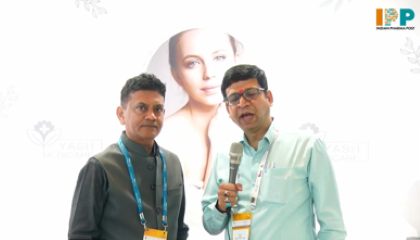
Patient safety, clinical outcomes and transparency must remain central to healthcare delivery, while regulatory frameworks should distinguish between basic commodity consumables and complex medical technologies, said Siddhartha Bhattacharya, Secretary General, NATHEALTH.
Bhattacharya said sophisticated medical devices and consumables require hospitals to undertake clinical evaluation and technology selection, maintain multiple configurations and emergency inventories, ensure sterile-chain integrity and traceability, and deploy trained clinical and biomedical teams.
Hospitals also bear risks related to expiry and obsolescence, specialised infrastructure, safe disposal and compliance with safety regulations, while assuming responsibility for quality, patient safety and clinical outcomes, he added.
“Therefore, the procurement price of a device cannot automatically be equated with its true cost of delivery to the patient. Equally, extraordinarily high margins on routine, commoditised consumables deserve scrutiny and should not be justified by costs associated with sophisticated technologies,” Bhattacharya said.
He called for an evidence-based and differentiated framework that separates basic consumables from clinically differentiated and high-complexity medical technologies.
“The policy objective should not simply be to focus on a fixed markup; it should be to determine what constitutes a fair and transparent patient price after recognising the legitimate cost and value involved in making the technology clinically available and integrate it as part of an overall package that is reimbursed either by patient or insurance,” he said.
Bhattacharya said the key question should extend beyond the hospital’s procurement price to the cost involved in making a technology safely, immediately and effectively available to patients.
“Affordability, transparency, innovation, quality and sustainability are not competing objectives. A well-designed regulatory framework must protect all five as they add up to the patient’s best interest,” he added.

Subscribe To Our Newsletter & Stay Updated