The decision is based on robust clinical evidence from the VOYAGE and EXCURSION studies
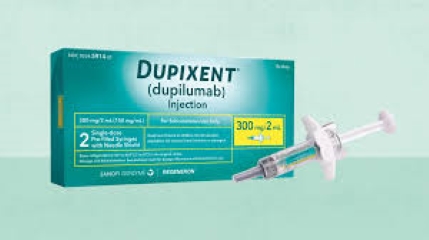
Japan has granted marketing and manufacturing authorization for Dupixent (dupilumab) to treat children aged 6 to 11 years with severe or refractory asthma whose symptoms are not adequately controlled with existing therapies. The approval expands the drug’s previous indication in Japan for patients aged 12 and older.
The decision is based on robust clinical evidence from the VOYAGE and EXCURSION studies. VOYAGE, a global Phase 3 trial, evaluated Dupixent in children with uncontrolled moderate-to-severe asthma, including those with a type 2 inflammation phenotype. The study showed that Dupixent, added to standard-of-care therapy, “significantly reduced severe exacerbations (by 54% to 65%) and improved lung function (by 4.68% to 5.32%)” compared to placebo.
In a sub-study of Japanese children, “Dupixent improved lung function from baseline at 12 weeks and resulted in a low rate of severe asthma exacerbations over one year.” Reported side effects included injection site reactions, fever, oral herpes, and eosinophilia.
Asthma remains one of the most common chronic diseases in children. Even with inhaled corticosteroids and bronchodilators, patients may continue to suffer from coughing, wheezing, and difficulty breathing. Uncontrolled asthma can impair lung growth, reduce day-to-day functioning, and require repeated courses of systemic corticosteroids, which carry significant risks.
Dupixent is already approved in Japan for atopic dermatitis, chronic rhinosinusitis with nasal polyposis, prurigo nodularis, chronic spontaneous urticaria, and COPD, and has received approval for childhood asthma in 50 countries worldwide.
Available as a 200 mg or 300 mg pre-filled syringe or pen, Dupixent is administered via subcutaneous injection every two or four weeks, either in a clinic or at home under caregiver supervision for children under 12. It is “a fully human monoclonal antibody that inhibits the signaling of the interleukin-4 (IL4) and interleukin-13 (IL13) pathways and is not an immunosuppressant.”

Subscribe To Our Newsletter & Stay Updated