
CARE Hospitals experts highlight that a fall in fever does not necessarily indicate recovery in dengue and stress the importance of timely clinical assessment, appropriate investigations, hydration and monitoring.
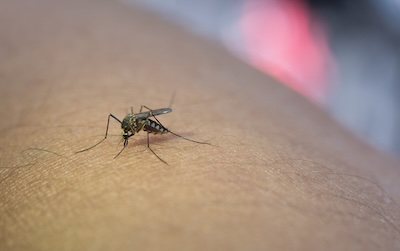
With the monsoon driving a rise in fever cases, doctors at CARE Hospitals have urged people not to dismiss persistent fever and body aches as a routine viral infection, warning that delayed diagnosis of dengue, malaria and chikungunya can increase the risk of complications.
According to the National Centre for Vector Borne Diseases Control (NCVBDC), India reported 2,33,519 dengue cases and 297 deaths in 2024, while Telangana recorded 10,077 cases.
Dr. Syed Mustafa Ashraf, Senior General Physician, CARE Hospitals, Malakpet, said dengue, malaria and chikungunya can initially present with symptoms similar to viral fever. Persistent fever, worsening weakness, repeated vomiting, severe abdominal pain, unusual bleeding, drowsiness, breathing difficulty or reduced urine output should prompt medical evaluation.
Doctors also highlighted that a fall in fever does not necessarily indicate recovery in dengue and stressed the importance of timely clinical assessment, appropriate investigations, hydration and monitoring.
Dr. Chaitanya Challa, Senior Consultant – General Medicine, CARE Hospitals, Banjara Hills, said mosquito-borne disease prevention should continue beyond the monsoon. In urban areas, mosquitoes can breed in small amounts of stagnant water found in coolers, flowerpot trays, buckets, tyres, discarded containers, construction sites and uncovered tanks.
Doctors recommended inspecting homes and surroundings at least once a week, removing stagnant water, keeping water-storage containers covered and using mosquito repellents, protective clothing and window and door screens. Since Aedesmosquitoes, which transmit dengue, are primarily active during the daytime, daytime protection is also important.
Ahead of World Mosquito Day on August 20, CARE Hospitals doctors called for greater awareness of warning signs and cautioned against indiscriminate self-medication for fever, emphasising that mosquito prevention should remain a year-round practice rather than a seasonal exercise.

Subscribe To Our Newsletter & Stay Updated