Experts stressed that technology adoption should be guided by scientific evidence, surgical expertise, patient expectations, long-term outcomes and value for patients
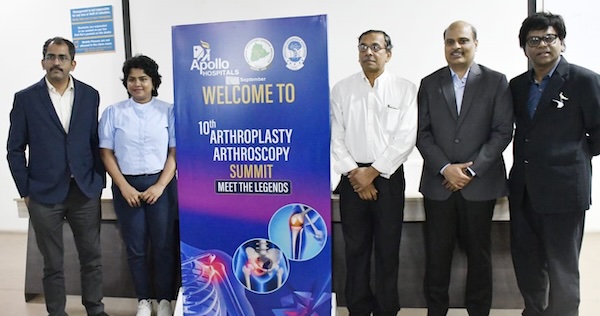
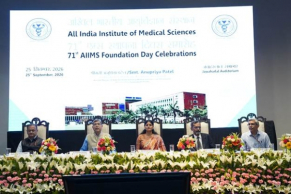
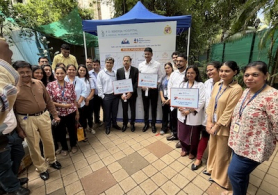
Apollo Hospitals, Secunderabad, hosted the 10th Arthroplasty Arthroscopy Summit (AAS) 2026, bringing together more than 250 orthopaedic surgeons from across India to discuss emerging technologies, evidence-based treatment approaches and complex clinical scenarios in joint replacement, arthroscopy and sports injuries.
Held at the Apollo Institute of Medical Sciences and Research, Jubilee Hills, the summit was organised under the aegis of the Telangana Orthopaedic Surgeons Association (TOSA) and Twin Cities Orthopaedic Society (TCOS).
The scientific programme placed particular emphasis on emerging technologies in knee and shoulder surgery, while highlighting the importance of evaluating their clinical value, long-term outcomes and affordability in the Indian healthcare setting.
Robotic knee replacement emerged as a key area of discussion. Experts acknowledged that robotic systems can offer greater surgical precision and reproducibility, but stressed that the technology continues to require long-term evaluation to determine whether these technical advantages translate into superior patient outcomes and meaningful cost-effectiveness.
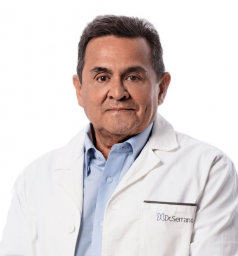
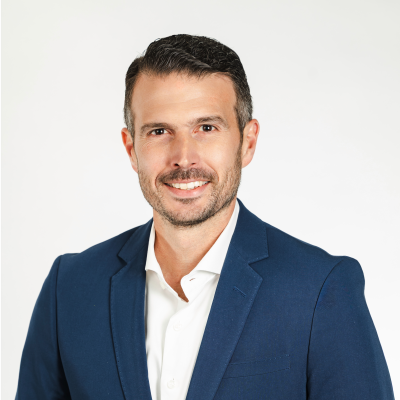
Dr Mithin Aachi, Course Director, AAS and Senior Orthopaedic and Joint Replacement Surgeon, Apollo Hospitals, Secunderabad, said the summit also examined the use of injections for patients with advanced knee arthritis who are candidates for knee replacement. The discussions indicated that injections are unlikely to provide meaningful or sustained benefit in severe arthritis, where knee replacement may be the more appropriate option in selected patients.
The summit also examined newer keyhole procedures for ACL injuries, including synthetic ligament technologies and internal bracing. Experts discussed their potential role as alternatives or adjuncts to conventional ligament repair, while emphasising the importance of appropriate patient selection and long-term evidence.
Another area of discussion was the use of Platelet-Rich Plasma (PRP) in osteoarthritis. Experts cautioned against positioning PRP as a cure or cartilage-regenerating treatment for severe osteoarthritis, where advanced joint degeneration may require definitive treatment such as total knee replacement in appropriately selected patients.
The role of cell-based and autologous stem-cell approaches in knee osteoarthritis was also discussed, alongside their current evidence base, potential benefits and limitations.
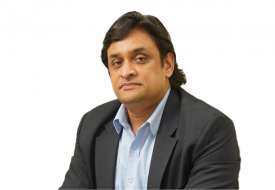
Dr N. Somashekar Reddy, Organizing Chairman, AAS and Senior Orthopaedic and Joint Replacement Surgeon, Apollo Hospitals, Hyderabad, said the summit focused on disseminating evidence-based developments among orthopaedic specialists from six states.
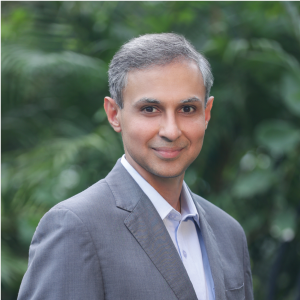
Dr Satish Mutha of Hinduja Hospitals, Mumbai, and President-Elect of the Mumbai Orthopaedic Society, described the summit as distinctive for its discussion-driven and interactive format. He said the objective was not simply to showcase new techniques but to examine their evidence, benefits and limitations through scientific debate.
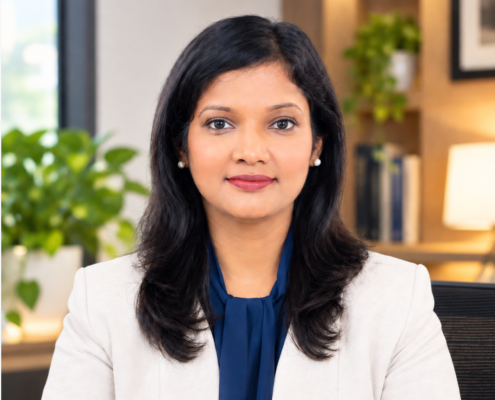
Dr Samundeeswari of Care Sports Injury Centre, Chennai, highlighted the need to integrate emerging robotic-assisted procedures in a manner that improves outcomes while remaining cost-effective and accessible to Indian patients.

Subscribe To Our Newsletter & Stay Updated