Our company remains focused on advancing monoclonal antibody therapeutics for solid tumors, with a clear emphasis on combination immunotherapy strategies

Dr Maloy Ghosh, Chief Scientific Officer, Zumutor Biologics
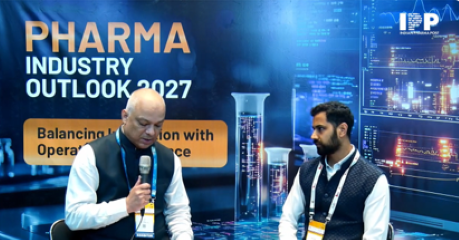
In an exclusive interview with Rahul Koul, Editor, Indian Pharma Post, Dr Maloy Ghosh outlines shift from discovery to clinic, with ZM008 progress, INABLR platform edge, and AI-driven translational strategy shaping next growth phase.
Zumutor Biologics has evolved from an antibody discovery startup into a clinical-stage immuno-oncology company. How would you describe the scientific journey so far, and what have been the defining inflection points?
Zumutor began with a clear ambition - to build a fully integrated monoclonal antibody innovation engine in India, spanning discovery through clinical development. Over time, we have systematically built capabilities across antibody discovery, immuno-oncology research, process development, and translational science, enabling us to evolve into a clinical-stage company.
Our journey has been shaped by deep scientific rigor and guidance from a globally experienced Scientific Advisory Board, which helped us stay aligned with cutting-edge advances in immuno-oncology.
A defining inflection point was the discovery of novel human monoclonal antibody drug targeting NK cell checkpoints - an area with significant therapeutic potential. This was a first-of-its-kind achievement in India and validated both our scientific approach and long-term vision. It also marked a moment when early stakeholder conviction in our platform translated into tangible innovation with global relevance.
ZM008 has entered Phase 1 in advanced solid tumors. What were the biggest scientific and translational hurdles in moving ZM008 from discovery to first-in-human studies? What early learnings are emerging regarding safety, biomarker response, and mechanism validation?
Developing a novel molecule like ZM008 in India came with a unique set of scientific and translational challenges. Early on, the ecosystem for first-in-class drug discovery, particularly around novel targets and pathways was still evolving, with limited risk capital and relatively rare academia - industry translation compared to the US and Europe. To address this, we invested heavily in upstream research to establish the mode of action of our target, ensuring strong biological validation before advancing into development.
From a clinical perspective, early learnings from the Phase 1 study are encouraging. ZM008, derived from our fully human monoclonal antibody library, has demonstrated a favourable safety profile so far. We have dosed 24 patients with no dose-limiting toxicities observed and no anti-drug antibody responses across multiple cycles, which supports its tolerability.
On the translational side, we have made significant progress in biomarker strategy. Our recent peer-reviewed publication outlines potential biomarkers linked to target expression, immune activation pathways, and mechanism of action. Ongoing analysis of clinical samples, including immune cell activation and inhibitory signals, cytokine profiles, and tumor markers - is helping us build a robust framework for mechanism validation and patient stratification as the trial progresses.
Beyond ZM008, how are you prioritising the next wave of candidates such as lymphoma-focused and combination immunotherapy assets?
Zumutor remains focused on advancing monoclonal antibody therapeutics for solid tumors, with a clear emphasis on combination immunotherapy strategies. Our prioritization is guided by the hypothesis that targeting complementary immune pathways can unlock meaningful clinical benefit, particularly in hard-to-treat “cold tumors” that are less responsive to current therapies.
Specifically, we see strong potential in combining adoptive T cell mediated and innate NK cell mediated checkpoint pathways to address limited responses observed with approved anti-PD-1 and anti-PD-L1 therapies. This dual approach is designed to enhance immune activation from multiple fronts and improve patient outcomes.
In line with this strategy, we are initiating a novel combination study of ZM008 with an anti-PD-1 antibody, with patient dosing expected to begin shortly. The data from this trial will be critical in evaluating potential synergistic anti-tumor effects and in shaping our broader combination development roadmap.
Zumutor’s work on NK-cell therapeutics and innate immunity modulation truly stands out. What scientific differentiation does your INABLR platform offer compared to conventional antibody discovery models?
Zumutor’s early focus on NK cell mediated immune pathways was both deliberate and differentiated. At a time when only a handful of global players were exploring innate immunity in cancer, we recognized the unique and complementary role of NK cells in anti tumor responses. This has shaped a pipeline specifically designed to unlock novel monoclonal antibody therapeutics targeting these pathways.
The company’s INABLR® platform is central to this differentiation. It is built on a fully human monoclonal antibody library, ensuring that antibodies discovered through the platform contain no artificial sequences, significantly reducing the risk of immunogenicity and improving clinical suitability.
Moreover, INABLR® offers exceptional diversity and discovery efficiency. By integrating both phage display and yeast surface display technologies, we are able to comprehensively screen a vast repertoire of druggable candidates, an approach that has led to multiple global IP grants. The platform is also highly rapid and robust, enabling the discovery of novel therapeutic antibodies against specific targets within 4 - 6 months, which provides a meaningful advantage in accelerating innovation.
How do you see AI and computational biology improving antibody engineering, target validation, and patient stratification at Zumutor?
While AI driven monoclonal antibody design, particularly using generative models to explore vast sequence space has gained significant momentum, the field is still maturing in terms of direct commercial application. That said, progress in de novo antibody design and predictive modelling is rapid and highly promising.
At Zumutor, we are selectively integrating these approaches to complement our core strengths. We are already leveraging computational tools such as molecular docking and biophysical property prediction to refine candidate selection and improve the developability of our antibodies.
Importantly, the real impact of AI will extend beyond discovery into translational science. As we generate clinical data from our Phase 1 ZM008 study, we are building PK/PD models and biomarker frameworks that can support more precise patient stratification. By combining our proprietary antibody libraries with emerging computational capabilities, we aim to create more efficient, data-driven drug development programs with higher probabilities of clinical success.
What role do strategic collaborations, such as advanced immune profiling partnerships, play in accelerating your discovery and translational research?
Strategic collaborations are the key pillar of our approach to accelerating both discovery and translational research. Zumutor is actively building partnerships with pharma and biotech companies in India and the US, spanning a range of modalities including monoclonal antibodies, bispecific immune engagers, and antibody–drug conjugates (ADCs). These collaborations allow us to combine complementary strengths, expand our pipeline, and de-risk innovation.
The partnerships focused on advanced immune profiling and translational science. Data emerging from our Phase 1 ZM008 trial is providing valuable insights into tumor microenvironment biology, particularly in heavily pretreated patients. By integrating deep immune profiling with clinical outcomes, we aim to better understand response mechanisms, identify predictive biomarkers, and refine patient selection strategies, ultimately accelerating the path to more effective and personalized therapies.
Zumutor has raised significant capital across multiple rounds, including the $6.2 million round led by Siana Capital, taking total funding to about 33 million. How has this capital reshaped your R&D priorities?
Raising risk capital for novel drug development in India remains challenging, given the long gestation periods, high capital intensive, and relatively evolving market dynamics for innovative therapeutics. Against this backdrop, Zumutor has been successful in raising approximately $33 million to date. We are deeply grateful to our investors, including Accel (our lead investor), Bharat Innovation Fund, Aarin Capital, Siana Capital, Madison, Kitven, as well as several family offices and angel investors - for their continued support through this journey.
Importantly, strong follow-on participation from our investors reflects sustained conviction in our science and our ability to build first-in-class innovation from India. This backing has enabled us to stay focused on high-impact R&D priorities, particularly advancing novel monoclonal antibody programs into the clinic. Our progression from discovery to a US FDA-cleared first-in-human trial underscores both the capital intensity and the long-term commitment required to build deep-tech, clinical stage assets.
Looking ahead, do you see Zumutor evolving into a fully integrated biotech company, a licensing-led innovator, or an eventual public market story? Key milestones for the next 12–24 months that will define Zumutor’s next growth chapter?
Zumutor has built a distinctive position as an end-to-end innovation driven biotech, spanning novel drug discovery to clinical-stage development, something that remains relatively rare, not only in India but globally. Our long-term vision is to create a sustainable, innovation-led biotech that delivers meaningful outcomes for patients while generating strong value for investors. This could evolve through a combination of internal pipeline advancement, selective partnerships, and potential licensing opportunities, with optionality for public markets over time.
The company has systematically ring-fenced its technological innovations and novel drug discoveries through a robust global IP portfolio of granted patents. This strong intellectual property foundation not only safeguards our scientific advances but also strategically enhances enterprise value, positioning the company for high-quality partnerships and future licensing deals with leading pharma and biotech players.
Over the next 12–24 months, our primary focus is to advance ZM008 into Phase 2 clinical trials across India and select global sites. This will be a critical milestone in demonstrating clinical efficacy and unlocking further value. In parallel, we aim to deepen collaborations within the Indian pharma ecosystem to leverage its scale, manufacturing strength, and market access.
At the same time, we will continue to expand our NK checkpoint pipeline and progress collaborative programs to generate new monoclonal antibody assets for global markets.

Subscribe To Our Newsletter & Stay Updated