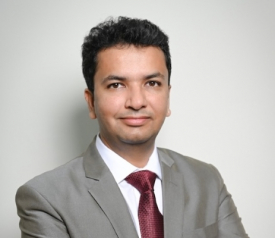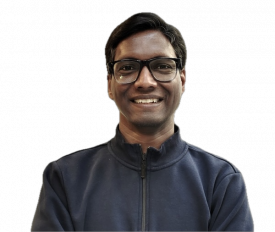
The Cytiva-Veeda Host Cell Protein Services Center in Bengaluru brings together Cytiva’s analytical technologies and Veeda Lifesciences’ service-delivery and regulatory expertise
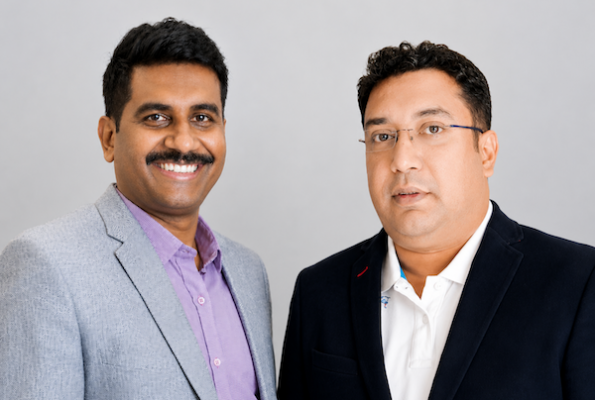
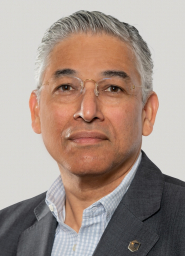
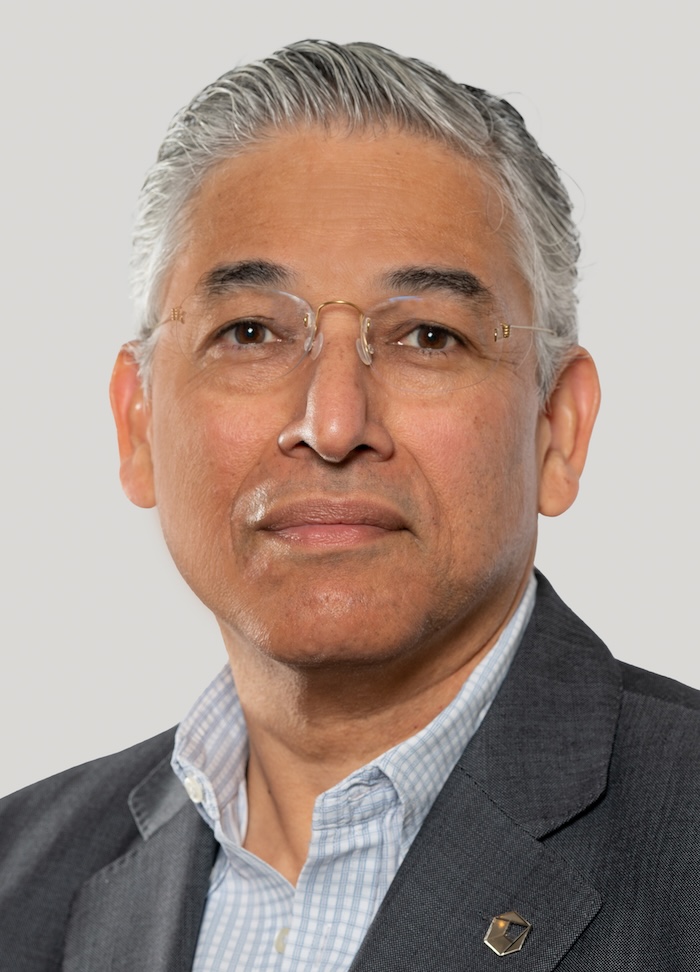
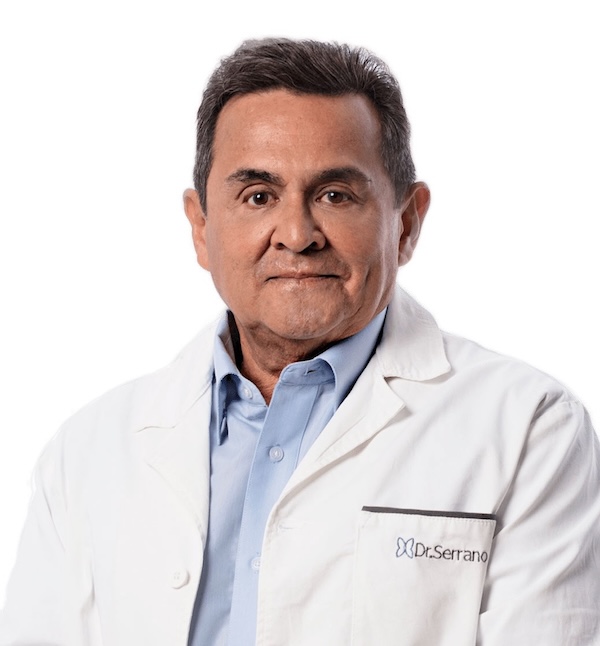
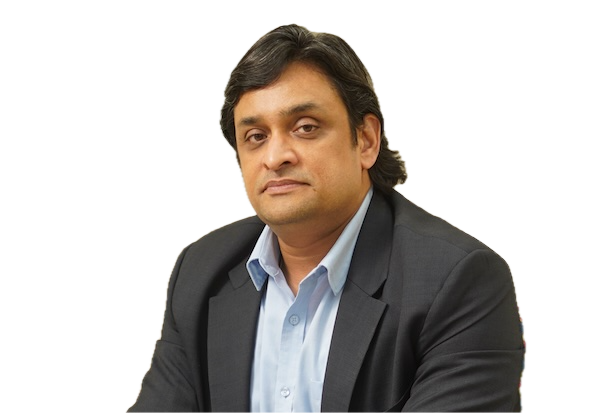
(L-R) Manoj Kumar Panicker, General Manager, South Asia, Cytiva, and Dr. Sanjib Banerjee, Chief Oper,
In an exclusive joint interview with Rahul Koul, Editor, Indian Pharma Post, Manoj Kumar Panicker, General Manager, South Asia, Cytiva, and Dr. Sanjib Banerjee, Chief Operating Officer (Biopharma Services), Veeda Lifesciences shared their views on Cytiva–Veeda Host Cell Protein Services Center, similar biologics guidelines, Biopharma SHAKTI initiative and more.
What gap in India's biologics ecosystem does the Cytiva–Veeda Host Cell Protein Services Center aim to address, and why was now the right time to establish such a facility?
Manoj Kumar Panicker: Host cell proteins (HCPs) remaining after manufacturing can potentially impact the safety, efficacy, and quality of biotherapeutics, making HCP risk mitigation an important part of biologics development. There is significant potential for Indian manufacturers to leverage advanced technologies such as 2D-DIBE and DIGE to better understand HCPs and other process impurities and design more effective polishing strategies. Today, developers often face slow, fragmented testing workflows and limited access to specialized analytical equipment. The centre addresses this gap by bringing DIGE, DIBE, ELISA, and mass spectrometry together under one roof. The timing is significant as India's biologics and biosimilars market is entering a strong growth phase, increasing the need for sophisticated analytical capabilities.
Dr. Sanjib Banerjee: Most Indian biosimilar and biologics developers still ship samples abroad for high-resolution host cell protein testing, which adds weeks to development timelines and creates dependency at a stage that increasingly determines regulatory outcomes. The centre closes that gap onshore. The timing follows directly from where the ecosystem is heading: the draft revised Similar Biologics Guidelines push developers toward stronger orthogonal characterisation, and the Budget's Biopharma SHAKTI allocation signals sustained investment in India's biologics base. Bengaluru, with its concentration of biotech manufacturers, was a natural location for a facility built to serve this growing demand.
The center integrates ELISA, mass spectrometry, and advanced analytical workflows. How do these complementary technologies improve the detection, characterization, and quantification of host cell proteins?
Manoj Kumar Panicker: The integration of multiple technologies for HCP risk mitigation is important because of the highly heterogeneous nature of these impurities. Each process and product comes with different HCP maps that require characterization and quantification. Product polishing should also be guided by charge and mass information of potential HCPs to significantly reduce HCP loads in the final drug product. The blind spots of ELISA and mass spectrometry can be addressed by highly sensitive DIGE and DIBE assays, which provide HCP mapping, coverage, and critical PI and mass information needed to design better polishing strategies and mitigate risk.
Dr. Sanjib Banerjee: Each technique answers a different question. ELISA gives fast, sensitive quantification and is the workhorse for release testing. Mass spectrometry identifies individual host cell proteins at the protein level, including low-abundance or process-specific species that immunoassays can miss. Differential gel electrophoresis maps overall HCP coverage against the manufacturing process, showing what the immunoassay reagent actually detects. Run together, these methods give both breadth of coverage and depth of identity, which is exactly the orthogonal evidence regulators now expect, and which strengthens a submission far more than any single method could on its own.
Host cell proteins are often viewed as a quality control parameter. Why should developers instead consider HCP analysis a strategic element of biologics development from the earliest stages?
Manoj Kumar Panicker: Viewing HCPs solely as a quality control parameter can be a costly mistake. Inadequate HCP risk mitigation can contribute to batch failures, development delays, regulatory challenges, and increased product risk. Manufacturers should adopt a Quality by Design (QbD) approach, where early understanding of HCPs can inform clone selection, safer scale-up, downstream purification, and final product polishing. Technologies such as DIGE, DIBE, ELISA, and mass spectrometry help build a deeper understanding of product safety profiles, enabling developers to reduce HCP-related risks and make more informed process decisions. A structured approach can also support sustainability goals by reducing the waste and emissions associated with repeated trials and process rework.
Dr. Sanjib Banerjee: Treating HCP testing as a late-stage release check means problems often surface after the process has been locked, when redesign becomes costly and time-consuming. Characterising HCP profiles early, alongside cell line and purification process selection, lets developers build clearance into the process rather than test for its absence afterward. It also protects patient safety directly, since certain residual proteins are immunogenic even at trace levels. Under the risk-based, quality-by-design thinking embedded in India's proposed revised biologics guidelines, this shift from checkpoint to design input is becoming less optional and more expected.
What have the center’s first months revealed about the analytical challenges facing Indian biologics and biosimilar developers? How can access to advanced analytical capabilities strengthen their global competitiveness?
Manoj Kumar Panicker: Earlier data reveals that many domestic developers rely heavily on off-the-shelf ELISA kits during early-stage development and scale-up, often without a clear understanding of anti-HCP antibody coverage. We also see limited visibility into HCP coverage during early development, which can leave potentially high-risk immunogenic proteins unidentified until late-stage verification. Earlier determination of product- and process-related impurities can speed up process development while reducing product and regulatory risk. By integrating advanced analytics more closely with process development, Indian biopharma companies can drive faster, more efficient development and strengthen product quality.
Dr. Sanjib Banerjee: The early caseload has shown that many developers underestimate the sensitivity and coverage a modern HCP assay needs, particularly for complex modalities like monoclonal antibodies and fusion proteins, and that demand for process-specific anti-HCP reagents is higher than expected. Onshore access to this depth of analysis narrows a real gap with developers in the US and EU, supports faster IND-enabling packages, and de-risks technology transfer when Indian companies license products or manufacturing to global partners. That combination of speed and credibility is what moves the needle on export competitiveness.
How does combining Cytiva's analytical technologies with Veeda's regulatory and bioanalytical expertise create a differentiated value proposition for biologics developers?
Manoj Kumar Panicker: Cytiva's analytical technologies generate high-quality data needed to understand product and process-related impurities, while Veeda's regulatory and analytical expertise helps translate those insights into regulatory modules. This enables manufacturers to generate documentation that can be readily incorporated into biosimilar regulatory submissions. For early-stage biologics companies, it also reduces the need for significant upfront investment in advanced proteomics capabilities. They benefit from Cytiva's global technology expertise alongside Veeda's established scientific and regulatory experience. Together, the partnership simplifies a traditionally fragmented process, enabling developers to move from analytical characterization to regulatory submission through a more integrated workflow.
Dr. Sanjib Banerjee: Cytiva contributes the platform and instrumentation; Veeda contributes the regulatory intelligence across CDSCO, EMA and USFDA requirements, plus bioanalytical and large-molecule development experience built over years of biosimilar and biologics work. Housing both under one roof means a developer gets a single point of contact from raw characterisation data through to a submission-ready package, rather than coordinating between a technology vendor and a separate CRO. That reduces handoff time and interpretation gaps, which in our experience are where development timelines usually slip.
India's draft revised Similar Biologics Guidelines place greater emphasis on orthogonal analytical tools and next-generation characterization techniques. How do you see this reshaping biologics development and regulatory submissions in India?
Manoj Kumar Panicker: The proposed revised biosimilar guidelines have shifted the regulatory focus from redundant animal testing and extensive clinical trials to a "totality of evidence" approach driven by advanced analytical characterization. By aligning more closely with WHO TRS 1043, USFDA, and EMA frameworks, India is placing greater emphasis on characterization of critical quality attributes (CQAs), supported by risk assessment and orthogonal analytical data. This marks an important evolution for India's biologics ecosystem. As analytical evidence takes on a greater role in demonstrating biosimilarity, developers will need to build characterization strategies earlier and adopt advanced analytical tools to support efficient regulatory submissions and global market access.
Dr. Sanjib Banerjee: The direction is clear: developers who can generate robust, multi-method analytical evidence early stand to reduce their reliance on extensive non-clinical and animal studies, in line with evolving global regulatory expectations. That raises the bar on analytical infrastructure at a stage where many companies are least equipped. The centre is built for this shift — a developer can generate the orthogonal data package the revised guidelines call for without investing in in-house capability, which should shorten development timelines as the guidelines are finalised.
The Union Budget 2026–27 has earmarked Rs. 10,000 crore under the Biopharma SHAKTI initiative to strengthen India's biologics ecosystem. Beyond manufacturing capacity, what capabilities will ultimately determine India's success as a global biologics innovation hub?
Manoj Kumar Panicker: The Union Budget 2026-27's Biopharma SHAKTI initiative reflects India's ambition to evolve from a scale-driven generics and biosimilars provider into a global hub for next-generation biotherapeutics. Developing novel biologics requires early identification and characterization of complex CQAs. Success will depend on adopting next-generation analytical platforms such as high-resolution SPR, mass spectrometry, and 2D-DIGE mapping to meet global regulatory expectations, including FDA and EMA requirements.
Biopharma SHAKTI also aims to accelerate the transition to Non-Animal Methodologies, further elevating the role of advanced analytics in development and regulatory approvals. This underscores the need for localized analytical infrastructure to mitigate quality risks, support regulatory compliance, and accelerate innovation.
Dr. Sanjib Banerjee: Manufacturing scale alone will not make India a biologics hub; capacity without characterisation depth just moves the bottleneck downstream. What determines whether that capacity translates into globally competitive products is specialised analytical infrastructure, a skilled base of analytical and regulatory scientists, and regulatory review capacity that keeps pace with global timelines, which is part of what SHAKTI's CDSCO strengthening aims to address. Collaborative models that pair industry technology with CRO regulatory and scientific expertise, like this centre, are a practical way to build that capability without every developer having to build it alone.

Subscribe To Our Newsletter & Stay Updated