An ECG takes minutes to record. But getting it interpreted by a specialist in time to save a life remains a major challenge across much of the world. That gap in cardiac care contributes to a global cardiovascular disease burden that claims more than 20 million lives every year.
Bengaluru-based Tricog Health set out to address that problem in 2014. Twelve years later, the company has evolved from a remote cardiac diagnostics provider into a cardiovascular artificial intelligence (AI) business with an expanding international footprint. Its solutions have reached more than 40 million patients, and the company estimates that its work has helped save over a million lives.
Now, Tricog is setting its sights on a bigger opportunity: making cardiovascular care more accessible, from early diagnosis and risk detection to long-term patient monitoring. Two global healthcare players, France's Sanofi and Japan's OMRON Healthcare, are emerging as important partners in that push.
For Tricog, the partnerships signal an opportunity to take Indian healthcare innovation into more markets and address persistent gaps in cardiovascular diagnosis and treatment, particularly across the Global South, where access to specialists and advanced medical infrastructure remains limited.
Tricog's relationship with Sanofi gained momentum in September 2026, when the two organisations entered into a three-year strategic collaboration as part of the India-France Year of Innovation.
Emerging from the Bharat Innovates initiative, the collaboration is designed to create opportunities for international market access while exploring potential investment and business partnerships.
The association brings together Sanofi's global healthcare experience and Tricog's track record in developing and deploying cardiac technologies. For Tricog, the opportunity lies in taking solutions developed in India to healthcare systems worldwide, particularly markets where timely cardiac diagnosis remains difficult to deliver at scale.
While the Sanofi collaboration opens another route to international expansion, Tricog's relationship with OMRON Healthcare has developed over several years through strategic investment, product development and connected cardiac care.
OMRON, globally recognised for its blood pressure monitoring technologies, is pursuing its Going for ZERO vision, which aims to reduce cardiovascular and cerebrovascular events through better prevention, monitoring and timely intervention.
That objective aligns with Tricog's expanding focus on identifying cardiac risks earlier and supporting patients beyond the hospital.
Through KeeboHealth, Tricog's remote patient monitoring platform, the companies have been working to connect home-based monitoring with clinical decision-making. Connected devices allow patients to be monitored outside hospitals, while clinicians receive information that can help them identify changes in a patient's condition and intervene when necessary.
Their collaboration also extends to Tricog CardioCheck, an AI-powered solution that assesses cardiac risk using single-lead ECG recordings, potentially making screening simpler and more accessible.
The broader ambition is to bridge the gap between diagnosis and ongoing care. Detecting a cardiac problem is only the first step; ensuring patients receive appropriate follow-up, particularly those living with chronic cardiovascular conditions, is equally critical.
The push comes amid a persistent global divide in cardiovascular care. Heart disease remains the world's leading cause of death, but access to timely diagnosis and treatment varies widely. Parts of Asia, Africa and other emerging markets face particular challenges, including shortages of specialists and limited access to advanced diagnostic infrastructure.
These are precisely the settings in which Tricog has spent much of the past decade building its business.
In May 2026, research published in JAMA Cardiology from a project in Kenya, conducted with the Kenya Cardiac Society and other partners, added to the evidence supporting AI-enabled cardiac screening.
The study examined whether artificial intelligence could analyse routine ECG recordings to help identify patients at risk of having a weakened heart pump — a condition typically assessed using echocardiography.
For healthcare systems where advanced cardiac investigations are difficult to access, AI-assisted screening could help flag patients who need further evaluation, potentially enabling earlier intervention.
The approach also reflects the kind of practical, cost-conscious innovation Tricog hopes to take into additional markets as it expands beyond India into parts of Africa and Southeast Asia.
The company is now looking at further international expansion while deepening its focus on remote patient monitoring, preventive cardiovascular care and AI-powered risk assessment.
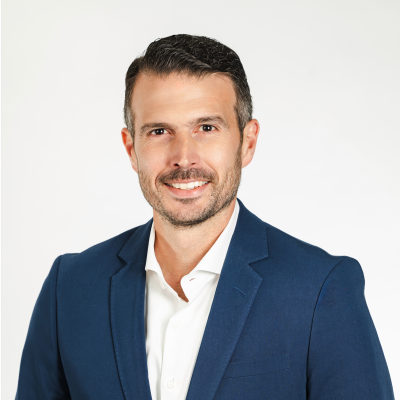
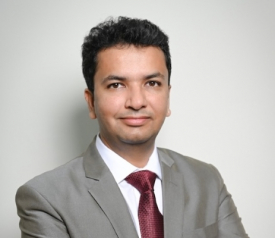
For founder and CEO Charit Bhograj, Tricog's next phase is about extending its original mission beyond the ECG and into the full continuum of cardiovascular care.
"When we started Tricog, we were trying to solve a very specific problem. A patient could have an ECG, but if no one was available to interpret it in time, the delay could change the outcome. We have spent twelve years building technology and clinical systems to address that gap.
"Today, our ambitions are much larger. We want to identify cardiac risks earlier across the spectrum, support patients even after they leave the hospital, and make quality cardiac care available in places where it has traditionally been difficult to deliver.
"Having organisations like Sanofi and OMRON Healthcare associated with our journey gives us access to experience, capabilities and opportunities that can help us move faster. It is encouraging to see global healthcare leaders recognise the potential of what we have built in India." Charit Bhograj, CEO & Founder, Tricog said.
The statement captures the company's shift from solving a specific diagnostic bottleneck to building a broader ecosystem for cardiovascular care — one that connects screening, clinical assessment and continued monitoring.
Tricog's next phase will depend on scaling its existing diagnostic network while developing new AI tools and connected-care services that bring cardiovascular support closer to patients.
Its stated ambition is to make quality cardiac care accessible to 100 million people by 2030 — a substantial increase from the more than 40 million patients its solutions have reached so far.
Reaching that target will require further expansion, wider adoption of its technologies and effective partnerships with healthcare organisations across markets. The Sanofi and OMRON Healthcare relationships could help create new opportunities, although the scale of their eventual impact will depend on how the collaborations develop.
For Tricog, the challenge now is to turn its growing international reach and technological capabilities into sustained improvements in access to care.