ICMR, CSIR and DBT actively promoting and strengthening the use of advanced in-vitro, cell-based, three-dimensional tissue models and computational methods
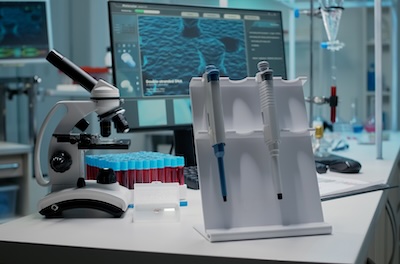
The Government of India has intensified efforts to promote non-animal testing methods for drug discovery and pre-clinical research by supporting advanced technologies such as organ-on-chip platforms, 3D tissue models, organoids, stem cell-based systems and computational approaches across leading scientific institutions.
In a written reply in the Rajya Sabha, Union Minister of State (Independent Charge) for Science & Technology, Dr. Jitendra Singh, said the government recognises that the limited availability of validated human-relevant, non-animal models can affect the pace and efficiency of drug discovery, increase dependence on conventional animal studies, raise research costs and influence clinical translation.
He said research organisations under the Indian Council of Medical Research (ICMR), Council of Scientific and Industrial Research (CSIR) and the Department of Biotechnology (DBT) are actively promoting and strengthening the use of advanced in-vitro, cell-based, three-dimensional tissue models and computational methods.
However, as per Minister, these technologies currently complement rather than completely replace animal models, particularly for complex biological studies.
According to the government, ICMR has supported 109 research projects focused on non-animal testing methods, including organ-on-chip technologies, 3D tissue models and computer-based approaches. These projects are being implemented across 71 research institutes and laboratories nationwide.
CSIR has also expanded its capabilities in New Approach Methodologies (NAMs), with eight of its laboratories currently engaged in developing advanced in-vitro systems, organoids, organ-on-chip platforms and in-silico models as alternatives to animal experimentation.
As per Dr. Singh, the DBT’s autonomous institutions are equipped with advanced infrastructure for biotechnology research, including the development and validation of non-animal testing methods. Among them, the BRIC-Institute for Stem Cell Science and Regenerative Medicine (inStem), Bengaluru, has established dedicated facilities for cell culture, organoids, micro-physiological systems, organ-on-chip technologies, bioreactors, high-throughput screening and computational analysis.
The institute has also launched specialised programmes such as the Programme in Women's Reproductive Health (WoRtH) and the Platform Enabling Stem Cell and Organoid Research and Training (ESCORT) to build expertise in this field.
Researchers at inStem are developing early embryonic models to evaluate developmental toxicity of drug candidates in vitro, eliminating the need for animal testing in such studies, said the Minister.
The BRIC-Translational Health Science and Technology Institute (THSTI), Faridabad, has developed an organoid platform that can be used for drug screening, disease modelling and therapeutic development for liver diseases as an alternative to animal experiments.
The Biotechnology Industry Research Assistance Council (BIRAC) is supporting the Centre for Predictive Human Model Systems (CPHMS) at the Centre for Cellular and Molecular Biology (CCMB), Hyderabad for developing human-relevant non-animal testing platforms. It also maintains a publicly accessible national database of researchers working on organoids, organs-on-chip, 3D tissues and related technologies to encourage collaboration.

Subscribe To Our Newsletter & Stay Updated