Based on I CAN Phase III trial results from prespecified interim analysis in which Ultomiris demonstrated 43.4% reduction in proteinuria vs placebo at 34 weeks
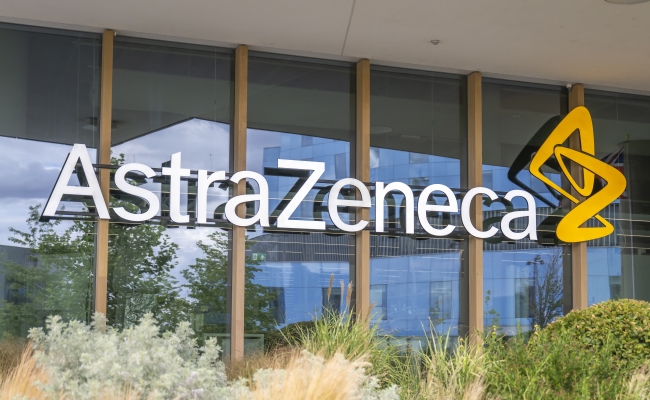
The U.S. FDA has granted accelerated approval to Alexion (AstraZeneca’s rare disease division) for Ultomiris (ravulizumab) as the first and only C5 complement inhibitor to reduce proteinuria (excess protein in the urine) in adults with primary immunoglobulin A nephropathy (IgAN) at risk of disease progression.
Ultomiris has received accelerated FDA approval for treating IgA nephropathy (IgAN) based on its ability to reduce proteinuria. However, it is not yet proven whether the drug slows the decline of kidney function. Continued approval may depend on verifying its clinical benefit in the ongoing I CAN Phase III trial. This study is evaluating adult IgAN patients at risk of disease progression by measuring changes in their estimated glomerular filtration rate (eGFR) at week 106, aiming to secure traditional FDA approval.
The approval follows Priority Review by the US Food and Drug Administration (FDA) based on positive results from a prespecified interim analysis of the I CAN trial. Results showed Ultomiris demonstrated a 43.4% reduction in proteinuria vs placebo at 34 weeks. Ultomiris is administered intravenously every eight weeks in adults (based on body weight), following a loading dose.
IgA Nephropathy (IgAN) is a rare, inflammatory kidney disease affecting over 200,000 Americans, which can progress to end-stage kidney disease (ESKD) or kidney failure. It occurs when abnormal IgA proteins form immune complexes that deposit in the kidneys' filters (glomeruli), triggering the complement system and causing destructive inflammation. Approximately 50% of high-risk patients—those with elevated urine protein or reduced kidney function—face kidney failure within 10 years of diagnosis.
Richard Lafayette, MD, Professor of Medicine (Nephrology) at the Stanford University Medical Center, Founder and Director of the Stanford Glomerular Disease Center and external scientific committee co-chair of the I CAN trial, said: “For many people living with IgAN, persistent proteinuria remains a significant challenge despite available treatments, signalling ongoing kidney injury and heightened risk of disease progression. With this approval of Ultomiris, physicians now have a C5 inhibitor that delivers sustained terminal complement inhibition, targeting a central driver of kidney inflammation to meaningfully reduce proteinuria in patients living with this progressive disease.”
Bonnie Schneider, Director & Co-Founder, IgA Nephropathy Foundation, said: “This approval reflects the importance of continued innovation to help improve outcomes for people living with IgAN. With its approved use across several other rare diseases and established safety profile, Ultomiris provides a new treatment option in IgAN that gives patients – and their physicians – more choice as they navigate their care.”
Marc Dunoyer, Chief Executive Officer, Alexion, said: “As the first and only C5 inhibitor approved for the reduction of proteinuria in adults with IgAN, Ultomiris offers a new treatment option for people living with this serious disease. Many patients continue to face the risk of progression to kidney failure, underscoring the need for more targeted therapies that can slow the course of disease. This approval marks the fifth indication for Ultomiris, building on Alexion’s pioneering leadership across multiple complement-mediated rare diseases."
The safety profile observed in the trial was consistent with the known profile of Ultomiris and was generally well tolerated, with no new safety concerns identified. Based on results from the prespecified interim analysis, the most common adverse events (AE) reported were upper respiratory tract infection (11.3%), nasopharyngitis (9.2%) and infusion-related reactions (8.4%) in those treated with Ultomiris; and upper respiratory tract infection (10.2%), nasopharyngitis (9.0%) and hypertension (6.6%) in those receiving placebo.
The interim results from the I CAN trial were presented at the 2026 European Renal Association (ERA) Congress, and late-breaking results will be presented at the American Society of Nephrology’s Kidney Week on 23 October 2026

Subscribe To Our Newsletter & Stay Updated