For the biopharma industry, the study strengthens the case for balancing immune-cell engagement with tolerability in antibody discovery platforms
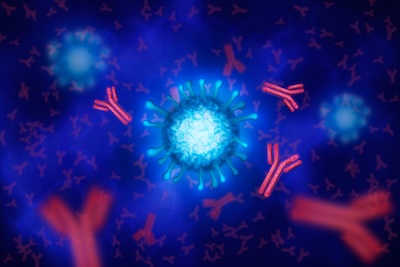
Chiba University researchers have uncovered a critical mechanism that may explain why certain antibody-based therapies trigger severe allergic reactions, a finding that could reshape the design of safer next-generation cancer immunotherapies.
The study found that antibody therapeutics with stronger binding affinity to Fcγ receptors on immune cells were significantly more likely to induce antidrug antibodies (ADAs) and fatal anaphylaxis in tumor-bearing mouse models. The work points to tumor-associated myeloid cells as a central driver of this immune overreaction.
Published in the Journal for ImmunoTherapy of Cancer in March, the research was led by Professor Hiroto Hatakeyama and collaborators from Tokyo University of Science. The team investigated PD-L1-targeting antibodies in preclinical tumor models and observed stark differences in immune safety profiles depending on Fcγ receptor affinity.
One antibody with strong Fcγ receptor binding rapidly caused fatal anaphylaxis in all tested mice, alongside a sharp spike in ADA production. By contrast, a lower-affinity PD-L1 antibody showed minimal ADA formation and no such life-threatening reaction. When the researchers engineered reduced-binding versions of the high-affinity antibody, the allergic response was effectively eliminated, reinforcing the role of Fcγ receptor interaction in driving immune toxicity.
The findings gain added significance from the team’s analysis of the US FDA Adverse Events Reporting System, which showed that marketed antibody drugs with stronger Fcγ receptor binding or higher immune cell activation were more frequently associated with anaphylaxis reports.
This creates an important translational insight for the fast-expanding monoclonal antibody and checkpoint inhibitor market, where efficacy has often been prioritised over immunogenicity risk.
Professor Hatakeyama said the research highlights Fcγ receptor affinity as a potential safety biomarker in antibody drug engineering, opening the possibility of designing molecules that preserve anti-tumour activity while reducing the likelihood of severe immune reactions.
For the biopharma industry, the study strengthens the case for balancing immune-cell engagement with tolerability in antibody discovery platforms, particularly as precision oncology pipelines increasingly rely on highly engineered biologics.

Subscribe To Our Newsletter & Stay Updated