Three-day programme focuses on advanced socket design, myoelectric technology and clinical skill development
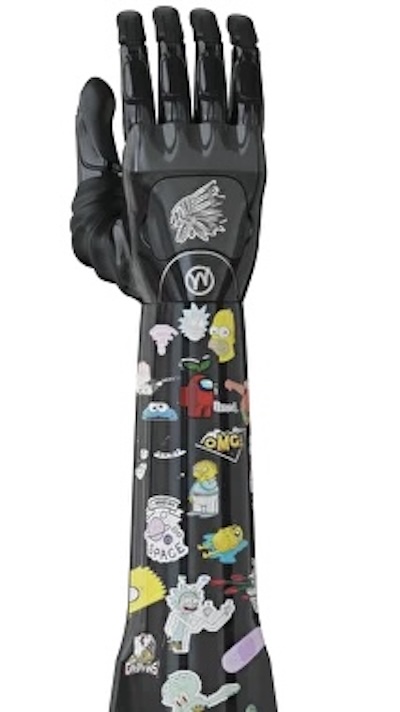
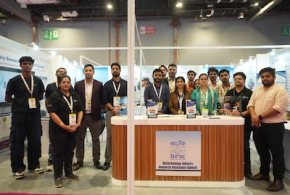
To strengthen clinical expertise in prosthetics and rehabilitation, Motorica India recently concluded a three-day Continuing Rehabilitation Education (CRE) programme at Pt. Deen Dayal Upadhyaya National Institute for Persons with Physical Disabilities (Divyangjan) (PDUNIPPD).
The programme focused on advancements in socket technology for trans-humeral myoelectric prostheses and brought together students, clinicians, prosthetists, and orthotists for hands-on training.
Structured as a collaborative initiative, the programme combined PDUNIPPD’s clinical expertise with Motorica’s technical capabilities, offering participants exposure to modern prosthetic systems and their real-world applications. Through demonstrations, workshops, and lab-based sessions, attendees explored innovations in socket design, material selection, and device customisation, with a focus on improving patient comfort, functionality, and long-term adoption.
A key highlight of the programme was live EMG assessments conducted using Motorica’s systems, enabling participants to understand how muscle signals are captured and translated into prosthetic movement. This practical exposure helped deepen understanding of patient-specific calibration, clinical fitting, and rehabilitation protocols.
The sessions followed a comprehensive approach, progressing from theoretical foundations to practical application. Participants were trained in casting techniques, lamination, fitting trials, and functional testing, alongside app-based tuning and patient training simulations—reflecting the growing role of digital tools in prosthetic care.
This initiative builds on Motorica’s ongoing efforts in India to enhance prosthetics education. A similar advanced training session was previously conducted at the Mobility India Institute, where emerging technologies such as photogrammetry were introduced alongside practical workshops. The CRE programme attracted a wide audience, including certified prosthetists and orthotists (CPOs), final-year and postgraduate students, and academic faculty from across the country.
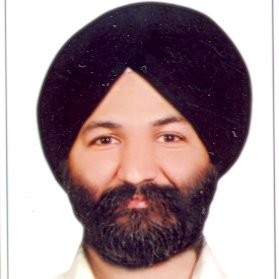
G. Pandian, Head of Department, Prosthetics and Orthotics at PDUNIPPD, said, “This training programme plays a vital role in preparing the next generation of prosthetists and orthotists, helping them build the practical skills and confidence needed to work with modern technologies. We must stay ahead of the curve by embracing new technologies, better clinical practices and stronger industry partnerships.”
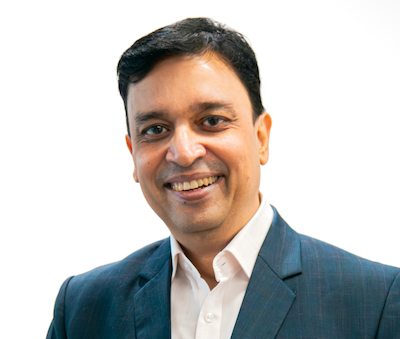
Kavinder Beniwal, Chief Operational Officer, Motorica India, said, “At Motorica India, our vision is to make advanced prosthetic solutions more intuitive, more reliable, and more closely connected to the lives of the people who use them. Our collaboration with PDUNIPPD reflects a shared commitment to learning, innovation, and creating solutions that truly improve independence and quality of life for Divyangjan.”

Subscribe To Our Newsletter & Stay Updated