SRM Global Hospitals has successfully performed Tamil Nadu’s first radiofrequency ablation using the cutting-edge TactiFlex catheter, saving the life of an 80-year-old patient suffering from atrial fibrillation.
Radiofrequency ablation targets tiny areas of heart tissue responsible for abnormal electrical signals. TactiFlex, the world’s first catheter with a flexible tip and contact‑force sensing, allows doctors to deliver energy precisely and safely. Unlike traditional rigid catheters, which can slip or bounce, TactiFlex maintains steady contact with the heart even as it beats, ensuring uninterrupted treatment.
Following the procedure, the patient’s heart and blood circulation stabilized, restoring normal blood pressure and flow. He returned to his normal state within days.
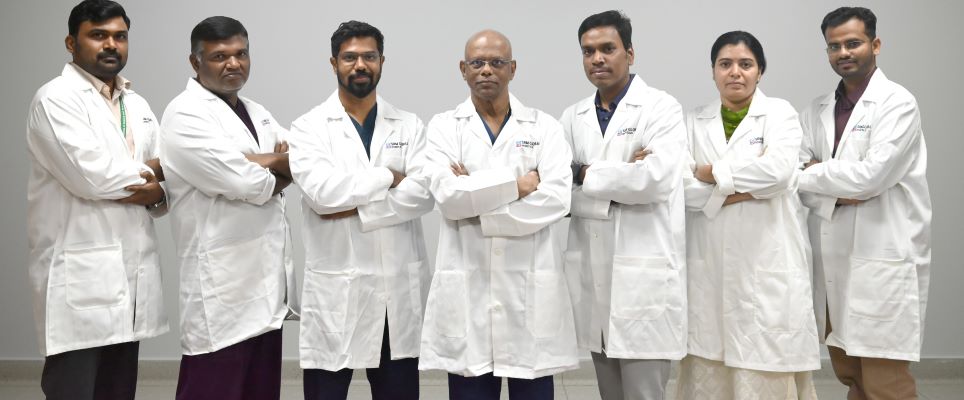
The operation was led by Dr TR Muralidharan, cardiologist and director of the Institute of Cardiac Sciences at SRM Global Hospitals.
Dr P Sathyanarayanan, President of SRM Global Hospitals, said, “We believe in using advanced technology whenever it benefits patients, which is why we are pleased to introduce this ablation catheter technology. Ablation is a method of burning or freezing a tiny part of the heart to stop the abnormal electrical signals that cause arrhythmias like atrial fibrillation. For ablation to be effective, the lesion must be deep, continuous, and uniform.
"On a constantly beating heart, a routine catheter with a rigid tip can slip, bounce, or lose contact, leading to uneven energy delivery. TactiFlex, however, has a flexible tip that moves with the heart, providing much more stable contact. Its contact‑force sensing feature offers real-time feedback, allowing surgeons to maintain safe and effective pressure throughout the procedure. We are proud to have performed the state’s first use of TactiFlex to treat atrial fibrillation.”
Dr Muralidharan added, “The senior citizen experienced palpitations and shortness of breath. Upon admission, we diagnosed recurrent atrial fibrillation, a common irregular heart rhythm in which the upper chambers of the heart (atria) beat rapidly and chaotically. He also had frequent ventricular premature contractions, which caused extra early beats from the ventricles (lower chambers), further disrupting the normal heart rhythm.
"Using the TactiFlex catheter, along with intracardiac ultrasound and a 3D mapping system, we were able to pinpoint the problem areas with high precision. Once identified, we applied controlled heat (radiofrequency energy) to those spots to stop the abnormal signals. The patient recovered within 48 hours and was discharged on minimal medications.”
Experts urged the public to consult a cardiologist if experiencing palpitations, sweating, dizziness, fainting, or shortness of breath. They emphasized managing diabetes and high blood pressure, limiting caffeinated drinks, and adopting lifestyle changes to prevent heart rhythm issues. Early detection, they said, is critical to reducing the risk of serious complications.