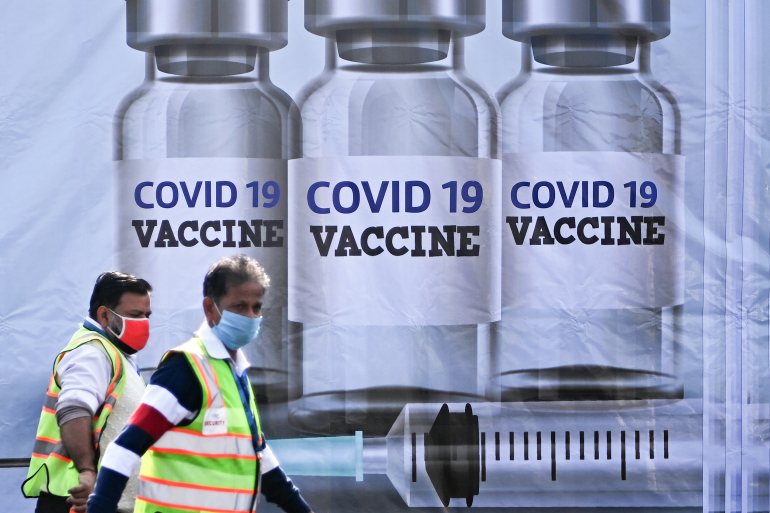
The Indian Medical Association (IMA), in collaboration with Abbott in India, launched Indian Immunization Week from September 21 to 27, putting renewed focus on preventive healthcare, adult immunization and annual influenza vaccination.
The nationwide initiative seeks to raise awareness about flu vaccination and provide healthcare professionals with practical, evidence-informed guidance on administering vaccines to people who are experiencing or recovering from fever, including acute febrile illness.
Influenza is more than a seasonal inconvenience. It can lead to serious complications and hospitalization, particularly among vulnerable groups. Annual flu vaccination can help reduce the risk of illness among children, older adults, pregnant women, people living with chronic conditions and healthcare professionals.
India's low adult immunization coverage highlights the scale of the challenge. The National Sample Survey (NSS), in what is described as India's first nationwide snapshot of adult immunization, found that only 1.98% of adults aged 18 years and above had received adult vaccines. Among people aged 60 and above, coverage was just 0.40%.
Awareness remains another major barrier. According to a 2026 multi-city study, only 19.7% of adults aged 60 years and above were aware of influenza, while just 1.4% had ever received an influenza vaccine.
Adding to the problem is uncertainty over whether vaccination is appropriate during or shortly after a fever. This confusion can result in unnecessary delays, missed vaccination opportunities and reduced protection against vaccine-preventable diseases such as influenza.
To address this gap, an expert committee convened by the IMA reviewed available scientific evidence alongside national and international immunization recommendations and developed practical guidance on vaccination in the context of fever.
As part of the inaugural Indian Immunization Week, the IMA has issued expert-reviewed clinical recommendations to help healthcare professionals determine when vaccination can safely be administered to people who are experiencing or recovering from fever. The initiative aims to address a common misconception that can contribute to delayed or missed annual flu vaccinations.
The recommendations emphasize that vaccination should not be postponed indefinitely. Where temporary deferral is necessary, healthcare professionals are encouraged to provide patients with a specific follow-up or vaccination date.
The guidance also notes that mild fever, in most cases, should not be a reason to delay vaccination. For people with moderate to severe illness, vaccination may be deferred until recovery, helping ensure appropriate care and avoiding confusion between symptoms of the underlying illness and possible post-vaccination reactions.
“Many people miss or postpone influenza vaccination because of uncertainty about whether it is safe to get vaccinated during or after a fever,” said Anilkumar J. Nayak, National President, Indian Medical Association. “These recommendations offer a practical roadmap for healthcare professionals, helping ensure that vaccinations are given at the right time, particularly for those at higher risk of flu-related complications.”
The guidance is particularly relevant for groups at greater risk of serious influenza-related complications, including young children, older adults, pregnant women, people with long-term health conditions, those with weakened immune systems and healthcare workers. Influenza vaccination is recommended at any stage of pregnancy and can help protect both mother and baby.
Parag Sheth, Regional Medical Director, Abbott in India, said, “Prevention is one of the most effective ways to reduce the impact of seasonal influenza, particularly among those at higher risk of complications. Greater awareness and clear communication by doctors can help ensure that concerns around fever do not become a barrier to vaccination. By supporting this initiative, we aim to help doctors and patients make informed decisions that enable timely protection against influenza.”
Through Indian Immunization Week, the IMA and Abbott aim to tackle misconceptions that contribute to vaccination delays while reinforcing annual influenza vaccination as an important preventive measure, particularly for vulnerable populations.
Envisioned as an annual national platform, the initiative will focus on improving adult immunization awareness, promoting preventive healthcare and strengthening understanding of vaccination's role in preventing disease and improving public health outcomes.