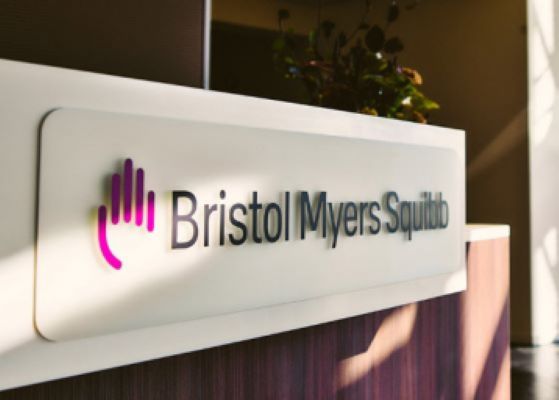
Global pharma powerhouse Bristol Myers Squibb has unveiled a new multiple myeloma awareness campaign, “Investigating Myeloma,” in partnership with award-winning actor and advocate Mariska Hargitay.
The campaign places renewed focus on a disease that remains incurable despite major scientific advances.
Multiple myeloma is described as “a complex and incurable blood cancer, characterized by a relentless cycle of relapse and progressively shorter remissions,” underscoring the urgency behind the initiative.
The campaign highlights ongoing scientific efforts, including CELMoD research led by Bristol Myers Squibb. The approach—short for cereblon E3 ligase modulation—targets key proteins for breakdown through the cell’s natural protein removal system, with the aim of stimulating the immune system and enhancing cancer cell killing.
The company says this work is part of a broader push in targeted protein degradation research.
For Hargitay, the campaign is deeply personal, tied to the loss of her father, actor and bodybuilder Mickey Hargitay, who died of multiple myeloma two decades ago.
“My father was and remains my hero. Many years have passed since we lost him to multiple myeloma, but I still have questions about the disease that brought down this pillar in my life,” said Mariska.
“This campaign is my chance to honor my dad, answer my questions about myeloma, and shine a light on CELMoD research, a remarkable area of scientific inquiry that has emerged since his death and is renewing hope for patients and their loved ones.”
Hargitay recalled first noticing signs of her father’s illness at her wedding, when he appeared unusually fatigued—something she later understood may have been an early warning sign. Despite his diagnosis, Mickey Hargitay “fought with everything he had until the end,” approaching his illness with optimism even as treatment options were far more limited than today.
Bristol Myers Squibb executives say the campaign reflects both scientific progress and unfinished work in the fight against myeloma.
“I felt an immediate personal connection. I lost my father to multiple myeloma many years ago, and that experience continues to shape how I approach the work we do at BMS,” said Monica Shaw, Senior Vice President, Oncology Commercialization at Bristol Myers Squibb.
“I had trained as a physician but was working in industry at the time of his diagnosis, and I remember how difficult it was to truly understand what his options were and how to access them. No patient or family should have to navigate that complexity on their own.
"That experience fuels my commitment to expanding access, simplifying the journey for patients, and accelerating awareness of new scientific approaches—like CELMoD research—that have the potential to make a meaningful difference for patients living with multiple myeloma.”
The company says its CELMoD program is central to its broader targeted protein degradation platform and ongoing efforts to better understand the biology of the disease.
“We are incredibly proud of our long-standing commitment and leadership in advancing the science to better understand multiple myeloma. However, despite significant progress that has transformed this treatable yet still incurable disease, our work is far from over,” said Neil Bence, Senior Vice President, Head of Protein Homeostasis Thematic Research Center at Bristol Myers Squibb.
“Our innovative CELMoD research is a cornerstone of our scientific investigation into myeloma. This approach specifically engages cereblon within the cell's natural protein removal system to selectively break down key proteins linked to this disease.”