Novel antenna design could enable non-invasive sensing of tissue abnormalities; researchers are currently advancing the simulation model towards prototype development
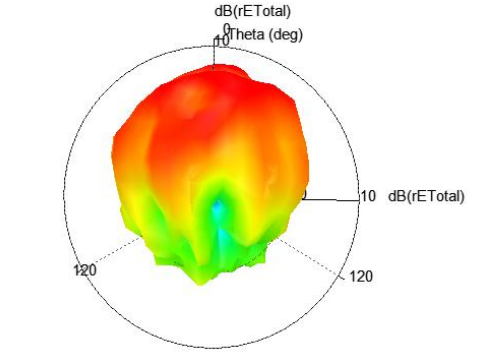
Researchers at VNR Vignana Jyothi Institute of Engineering and Technology (VNR VJIET), Hyderabad, have published a patent for a groundbreaking microstrip patch antenna-based design aimed at the non-invasive, early-stage detection of skin and breast cancer. The research patent has been published and is currently at the simulation stage, with the research team working towards further validation and eventual prototype development.
This new approach addresses the critical need for simpler, more affordable ways to catch cancer early. Traditional testing often relies on imaging, biopsies, or invasive procedures. In contrast, this technology detects changes in tissue characteristics completely non-invasively, removing the need for incisions, injections, or internal instruments.
This technology uses a specialized microstrip patch antenna to direct electromagnetic energy into biological tissue. Because healthy and abnormal tissues possess distinct dielectric properties and conductivities, they interact with this energy differently. A portion of the energy is absorbed or scattered, while the rest reflects back to the antenna. By analyzing how these tissue variations alter the reflected signal, researchers aim to differentiate normal tissue from potentially malignant abnormalities.
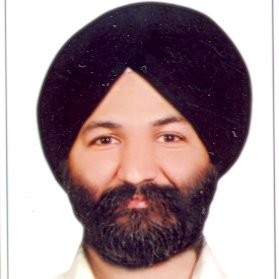
The research has been developed by a team comprising Dr. K. Vidya Sagar, R. Ram Prasad, Dr. K. Vijay Chandra, Popuri Suresh Babu, Dr. D. Manju and G. Lakshmi Narayana. The researchers are currently working on the simulation model, that can examine how variations in tissue properties, including differences in dielectric characteristics associated with tissue composition and density, influence the electromagnetic response. The researchers note that normal and tumour tissues can exhibit different dielectric properties, which may provide a measurable basis for identifying tissue abnormalities.
The patent identifies improvements in bandwidth, gain, directivity and near-field penetration as key features of the design. These characteristics are intended to support high-resolution sensing of tissue abnormalities associated with early-stage skin and breast cancer.
Dr. K. Vidya Sagar, Lead Researcher and Professor, Department of Electronics and Instrumentation Engineering, VNR Vignana Jyothi Institute of Engineering and Technology, said, “Cancer has become increasingly prevalent, and delayed detection can significantly affect treatment outcomes. This research is also deeply personal to me. I lost my mother to cancer, and the experience made me realise the importance of timely detection and treatment. Our motivation is to explore whether microwave sensing can eventually contribute to a more accessible, non-invasive approach to identifying tissue abnormalities at an early stage.”
The research is currently in its early stage with simulation effort; further fabrication, testing and clinical validation would be necessary to establish its effectiveness as a diagnostic technology.

Subscribe To Our Newsletter & Stay Updated