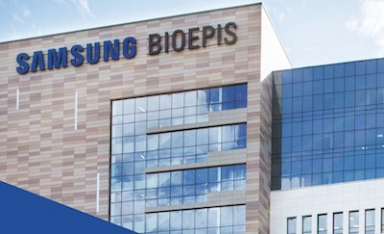
Samsung Bioepis’ Pembrolizumab biosimilar SB27 meets phase 1 PK endpoints
The proposed biosimilar to Keytruda demonstrated pharmacokinetic bioequivalence in a multicountry Phase 1 study involving non-small cell lung cancer patients
Subcutaneous pembrolizumab administered every six weeks with a median injection time of two minutes, in combination with chemotherapy, shows consistent results across reported efficacy and safety endpoints compared to IV KEYTRUDA in combination with chemotherapy
Opinion granted based on positive overall survival results from the IND.227/KEYNOTE-483 trial
Positive opinion granted for KEYTRUDA plus chemotherapy for the first-line treatment of adult patients with primary advanced or recurrent endometrial carcinoma
Data showed that the primary endpoint of recurrence-free survival (RFS) met the pre-specified futility criteria
Pivotal trial found the enfortumab vedotin plus pembrolizumab combination significantly extended overall and progression-free survival
If approved, KEYTRUDA would be the first immunotherapy for the first-line treatment of HER2-positive advanced gastric or GEJ cancer in tumors expressing PD-L1 (CPS ?1) in the EU
Based on a subgroup analysis by PD-L1 expression from KEYNOTE-811, Merck is working with the US FDA to update the current indication for KEYTRUDA in HER2-positive gastric or GEJ adenocarcinoma
In first-line metastatic NSCLC, KEYTRUDA-based regimens have now shown a five-year survival benefit in four trials
Immune-mediated events and infusion reactions were higher with KEYTRUDA (38% vs 9%, respectively).
Subscribe To Our Newsletter & Stay Updated