While Drugs for Neglected Diseases initiative (DNDi) drives the R&D for neglected diseases, we collaborate with pharmaceutical companies at multiple stages, including sourcing promising molecules

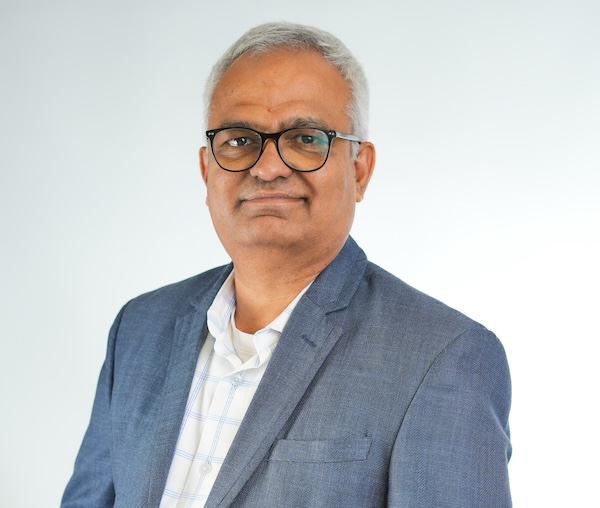
Sanjay Sarin,, Continental Lead Asia and South Asia Director, DNDi
In an exclusive interview with Rahul Koul, Editor, Indian Pharma Post, Sanjay Sarin spoke on India’s progress in kala-azar elimination, advances in dengue treatments and vaccines, and ongoing work in filariasis and other neglected diseases through global partnerships and a non-commercial R&D model focused on access and equity
Can you walk us through DNDi’s latest initiatives and its work over the past five years?
DNDi focuses on developing treatments for neglected diseases where traditional pharmaceutical business models fail due to limited commercial incentives. Our mission is "the best science for the most neglected," placing patients at the centre of an alternative R&D approach.
Over the years, we have built a global network of more than 200 partners with a presence across Switzerland, India, Malaysia, Japan, Kenya, and Brazil.
One of DNDi's most significant contributions in India has been in visceral leishmaniasis, or kala-azar. Over 20 years, R&D has transformed treatment, moving from toxic, lengthy regimens to shorter, safer, and affordable therapies deliverable through India's public health system at scale. This was achieved in close partnership with the Bihar State Health Society, the Indian Council of Medical Research, the Kala-Azar Medical Research Centre (KAMRC), the Rajendra Memorial Research Institute of Medical Sciences (RMRIMS/ICMR), Médecins Sans Frontières, and the National Centre for Vector Borne Disease Control.
Central to this effort was the scientific leadership of Banaras Hindu University (BHU), which spearheaded the development of single-dose liposomal amphotericin B (AmBisome) and short-course combination regimens, the latter in close collaboration with DNDi. Data from Phase II and Phase III clinical trials, alongside a large-scale implementation study enrolling 1,761 patients, directly informed India's revised National Kala-Azar Elimination Roadmap, which now recommends single-dose liposomal amphotericin B as first-line treatment.
DNDi's commitment towards innovation continues, a new oral therapy is under development, which could be a valuable tool for the maintenance of kala azar elimination in the region.
What other disease areas is DNDi focusing on in India?
We are actively working on lymphatic filariasis, also known as elephantiasis, which continues to have a significant burden in India. Through partnerships, including with the Indian Council of Medical Research, we are advancing clinical trials for new treatments that could help eliminate the disease.
Another critical focus area is dengue, where the burden is increasing rapidly. While there has been progress in diagnostics and vaccines globally, there is still no specific treatment available. Our pipeline includes both a monoclonal antibody treatment currently in clinical trials and a preventive vaccine that has completed early-stage trials and is preparing to enter Phase III. These efforts are being conducted across multiple countries, including India, Brazil, Malaysia, and Thailand, to accelerate development and access.
Are there other neglected diseases in your pipeline?
Yes, we are also working on mycetoma, a serious chronic infection for which effective and safe treatment options are currently very limited. In addition, we have a broader programme focused on pandemic preparedness, where we are developing treatments for viral diseases. While dengue is a key priority right now, the aim is to expand this work to other emerging infections.
DNDi collaborates extensively with academia. What role does industry play in your model?
Industry is an important partner in our work. While DNDi drives the R&D for neglected diseases, we collaborate with pharmaceutical companies at multiple stages, including sourcing promising molecules, supporting development, and ensuring manufacturing and formulation.
India, in particular, has strong capabilities in formulation and large-scale manufacturing, which are essential for making treatments accessible and affordable. Industry also plays a key role in eventual commercialization, even though DNDi itself is not a commercial entity.
How do you see India’s regulatory environment evolving for such innovations?
The regulatory environment in India has improved considerably. There is greater flexibility, especially for drugs that address unmet public health needs. In some cases, if robust global data is available and includes Indian patient populations, it may reduce the need for extensive local trials, which helps save time and resources.
There is also increasing openness to accelerated pathways, and overall, the regulatory ecosystem is becoming more supportive of innovation in this space.
What about funding? Are we seeing enough support for innovation in neglected diseases?
Government support is definitely increasing, with initiatives aimed at strengthening research and development. Programmes like the Anusandhan National Research Foundation (ANRF) signal a strong intent to boost innovation.
At the same time, neglected diseases require sustained and collaborative funding models. Philanthropic organizations and global foundations continue to play a critical role alongside governments and industry in supporting this work.

Subscribe To Our Newsletter & Stay Updated