At the center of deployment is mlHealth360’s proprietary Scaida AI platform, designed to detect and triage abnormalities in CT scans

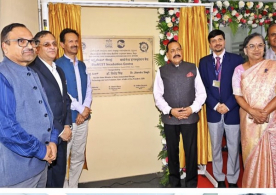
mlHealth360 has signed a memorandum of understanding with the Government of Madhya Pradesh to pilot AI-enabled radiology solutions across ten district hospitals in the state.
The initiative, announced on April 9, is aimed at improving diagnostic accuracy, reducing reporting delays, and enabling faster clinical decision-making in real-world public hospital settings. The pilot is expected to serve as a proof point for a potential statewide rollout, depending on its performance and learnings.
At the center of the deployment is mlHealth360’s proprietary Scaida AI platform, designed to detect and triage abnormalities in CT scans, provide real-time decision support to clinicians, and help generate standardized radiology reports. The platform will integrate with existing hospital systems such as PACS and RIS, ensuring continuity of current clinical workflows while adding AI-led efficiency.
The company said the cloud-based solution has been built for scale, with remote expert connectivity and India-based data residency, making it particularly suitable for high-volume district hospitals and resource-constrained environments.
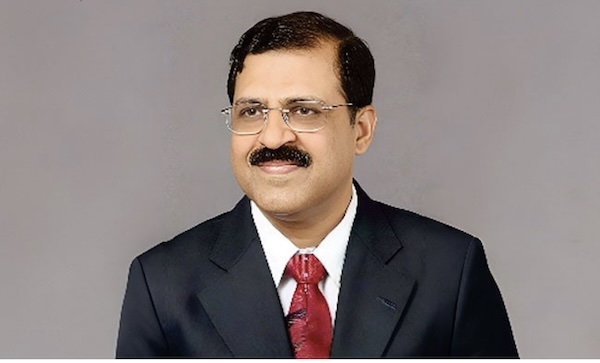
“This collaboration allows us to take a meaningful step toward integrating AI into mainstream public healthcare delivery,” said Kumar Surender Sinwar, Founder and CEO, mlHealth360. He added that the focus is not just on deploying technology, but on ensuring it fits naturally into existing workflows and delivers measurable value for healthcare professionals working in high-burden settings.
The AI-driven radiology system is expected to improve early diagnosis of time-sensitive conditions such as stroke, hemorrhage, trauma, and tumors. By automatically prioritizing urgent cases, the platform could help clinicians respond faster to critical patients while reducing the need for referrals to tertiary care centers.
According to Dr. Narendra Gupta from the Health Department, the partnership aligns with the state’s broader vision of building a more efficient and technology-enabled healthcare ecosystem. He noted that AI-supported radiology can strengthen district-level capabilities, improve access to quality diagnostics, and reduce the need for patients in remote areas to travel long distances for specialist care.
The rollout will follow a phased approach over the coming months, beginning with site readiness assessments and system integration, followed by clinician training and full operational deployment.

Subscribe To Our Newsletter & Stay Updated