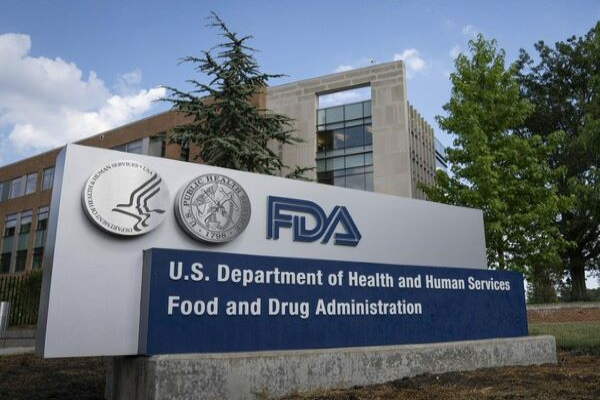
The US FDA has approved the first nonprescription fixed-dose combination tablet containing acetaminophen and naproxen sodium, giving consumers a new over-the-counter option for longer-lasting pain relief.
Approved on July 24, Tylenol with Naproxen (acetaminophen 325 mg/naproxen sodium 110 mg tablets) is designed to provide up to 12 hours of relief from minor aches and pains, including headaches, backaches, muscle aches, toothaches, menstrual cramps, and minor arthritis pain in adults and children aged 12 years and older.
The approval marks the first time naproxen sodium has been combined with acetaminophen in a single nonprescription tablet. Both ingredients are among the most widely used over-the-counter pain relievers in the United States, with decades of established use and well-documented safety profiles.
The FDA said the decision supports President Trump’s “The Great Healthcare Plan,” a federal initiative aimed at expanding access to verified safe pharmaceutical drugs available without a prescription.
The FDA’s approval was based on data showing that the combination of acetaminophen and naproxen sodium is effective and safe, with each ingredient contributing to the overall pain-relieving effect.
Tylenol with Naproxen is taken every 12 hours, and its labeling includes standard safety warnings associated with both acetaminophen and nonsteroidal anti-inflammatory drugs (NSAIDs).
The FDA warned consumers not to take Tylenol with Naproxen alongside other medicines containing acetaminophen, as combining multiple acetaminophen-containing products can increase the risk of liver damage.
Because naproxen sodium is an NSAID, the product label also includes warnings about potential stomach bleeding and increased risks of heart attack, heart failure, and stroke. These risks may rise when NSAIDs are taken for longer than recommended or in higher amounts than directed.
The FDA also highlighted pregnancy-related precautions. The label advises people who are pregnant or breastfeeding to consult a healthcare professional before use. It also states that naproxen sodium should not be used at 20 weeks or later in pregnancy unless specifically directed by a doctor.
The agency urged consumers to carefully read and follow the product label and seek medical advice if they have questions or concerns.