By reducing pain, needle anxiety and related risks, needle-free injection systems are improving treatment experiences, supporting better adherence, and emerging as a scalable solution

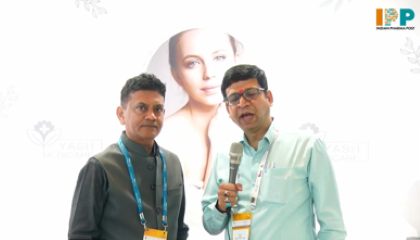
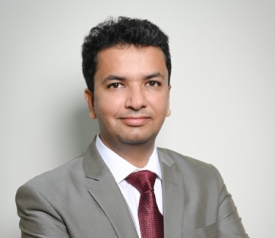
Sarvesh Mutha, Managing Director, IntegriMedical
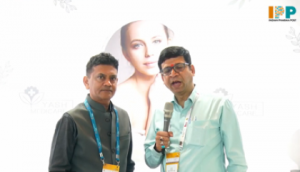
In an exclusive interview with Rahul Koul, Editor, Indian Pharma Post, Sarvesh Mutha, Managing Director, IntegriMedical shared insights on groundbreaking impact of needle free injections, company’s N-FIS platform, challenges, long-term goals and much more.
Conventional injections have remained largely unchanged for decades. Why do you believe the healthcare industry is now ready for needle-free drug delivery?
As healthcare becomes patient-centric, the experience of treatment is emerging as a critical factor in treatment success. Conventional injections have served healthcare well for decades; however, they continue to be associated with pain, needle anxiety, sharps-related risks, and challenges around treatment adherence, particularly in therapies that require repeated dosing.
At the same time, healthcare systems are placing greater emphasis on improving patient comfort, reducing barriers to treatment continuation, and delivering care more efficiently. This shift is especially evident in areas such as paediatric vaccination, fertility treatments, growth hormone therapy, and emerging segments like GLP-1 therapies, where the method of drug delivery can significantly influence the overall treatment experience.
Needle-free injections address many of these challenges without requiring changes to existing drug formulations or clinical workflows. As a result, what was once considered a niche innovation is steadily evolving into a practical, scalable solution that aligns with the changing expectations of patients, healthcare providers, and healthcare systems alike.
For readers unfamiliar with the technology, how does the N-FIS platform work, and what makes it different from traditional injections?
N-FIS is a needle-free injection device designed to deliver low-viscosity medications through both subcutaneous (SC) and intramuscular (IM) routes. Instead of using a needle, the device employs a spring-driven stainless-steel piston to generate a high-velocity jet stream that passes through a micro-orifice in the skin, enabling precise and consistent drug delivery.
The entire process is completed under one-tenth of a second. Unlike traditional injections, N-FIS eliminates the need for needles altogether, thereby reducing needle-related anxiety, eliminating sharps-related risks, and improving the overall administrative experience.
What further distinguishes N-FIS is its fully mechanical design. The device is portable, easy to use, and well-suited to a wide range of clinical environments. Furthermore, it can be integrated with existing therapies without requiring any changes to drug formulations, making adoption significantly easier for healthcare providers and pharmaceutical companies.
How do you address concerns around efficacy, precision, and safety when replacing conventional needles?
A new drug delivery technology must demonstrate that it can meet the same standards of safety, precision, and therapeutic performance as the established methods. This has been a core focus throughout the development of N-FIS.
The technology is backed by certifications and approvals including CDSCO, CE, ISO 13485, and MDSAP, reflecting compliance with recognised quality, safety, and regulatory standards. In addition, multiple clinical evaluations conducted in India have demonstrated that N-FIS™ delivers immunogenicity outcomes that are at par or even better than those achieved by conventional hypodermic needles
The device has been engineered for consistency and accuracy. Parameters such as pressure generation and orifice dimensions are carefully calibrated to deliver accurate dosing at the intended depth of administration. An equally important fact is that we work closely with healthcare professionals through training and support programmes to ensure the technology is used effectively in clinical practice.
Taken together, these factors provide clinicians with confidence that N-FIS™? can achieve the same therapeutic objectives as conventional injections.
If every child in India received vaccinations via needle-free technology, what impact could that have on vaccine acceptance and public health outcomes?
Vaccines remain one of the most effective public health interventions, but the way they are administered can influence how treatment is perceived, especially amongst children and caregivers. Needle anxiety is common in paediatric populations and is often a source of stress for both children and parents. By reducing the fear and discomfort associated with injections, needle-free injection systems have the potential to make immunisation a more comfortable and less intimidating experience. This can improve cooperation during vaccination visits and help families stay engaged with recommended immunisation schedules.
In our experience, many parents actively seek options that minimise anxiety and discomfort for their children. If needle-free technologies become more widely available, they can serve as a valuable complement to existing immunisation programmes by improving the vaccination experience, strengthening caregiver confidence, and supporting better adherence to vaccination schedules. Over time, even small improvements in acceptance and compliance can contribute meaningfully to broader public health outcomes.
Healthcare systems can be slow to adopt disruptive technologies. How have clinicians and hospitals responded to N-FIS so far?
Adoption of any new healthcare technology ultimately depends on whether it can integrate seamlessly into existing clinical workflows while delivering meaningful value to both providers and patients.
Our experience so far has been encouraging. Once clinicians understand that N-FIS™ can be integrated without changes to drug formulations or administration protocols, openness to adoption tends to increase. Positive patient feedback, particularly in areas such as pediatric vaccination and IVF where repeated injections are common, has further strengthened clinician confidence.
Today, N-FIS has been used to administer medication to over 100,000 patients across India and is being used by nearly 1,300 healthcare professionals across hospitals, specialty clinics, and vaccination centres. We believe this momentum reflects a broader shift toward patient-friendly innovations that enhance treatment experiences while maintaining simplicity and efficiency in everyday clinical practice.
What were the biggest hurdles in obtaining regulatory approvals and market acceptance?
The regulatory process itself requires extensive documentation, robust quality systems, and substantial clinical and technical evidence, all of which are essential when introducing a novel category of medical device. Ensuring that the technology met stringent safety, manufacturing, and performance standards was a key priority throughout our journey.
However, market acceptance presented a different challenge. Needles have been deeply embedded in healthcare delivery for generations, and introducing an alternative required addressing long-established perceptions and practices. Building trust among clinicians meant demonstrating not only safety and efficacy, but also tangible advantages in real-world settings.
Education, hands-on training, and continuous engagement with healthcare professionals have therefore been critical to our approach. As more clinicians gain firsthand experience with the technology and observe its impact on patient comfort, acceptance and overall treatment delivery, confidence in needle-free injection systems has continued to grow.
What lessons have you learned while commercializing a category that effectively did not exist in India before?
One of the most important lessons we have learned is that innovation alone does not drive adoption. Building a new category requires equal focus on education, accessibility, and ensuring that the technology fits naturally within existing healthcare systems.
Over the years, we have seen that clinicians are open to new approaches when they address a genuine need and can be integrated into practice without adding complexity. We have also learned that patient experiences can be powerful catalysts for change. Positive experiences often translate into greater awareness, stronger acceptance, and increased confidence among healthcare professionals, patients and caregivers.
Perhaps the most significant lesson has been the importance of staying focused on solving a real problem. Needle-free delivery is not about replacing needles for the sake of novelty; it is about improving patient comfort, supporting treatment continuity, reducing sharps-related risks, and ultimately contributing to better healthcare experiences.
IntegriMedical recently partnered with Intas Pharmaceuticals for IVF and gynecology applications. What strategic significance does this collaboration hold for the company?
The collaboration with Intas Pharmaceuticals represents an important milestone in expanding needle-free injection systems into therapies where repeated injections are an integral part of treatment.
IVF treatment often involves multiple hormone injections cycles over several weeks, making it physically and emotionally demanding for patients and families. By combining Intas' strong presence in women's health with IntegriMedical's needle-free technology, we have an opportunity to improve the treatment experience at a mighty scale.
From a strategic lens, this partnership validates the growing relevance of needle-free injection systems in specialised therapeutic areas and demonstrates how pharmaceutical and medical device companies can work together to enhance patient care. It also creates a pathway for broader adoption across additional therapies where repeated injections are common. Furthermore, the collaboration reflects a growing recognition across the healthcare industry that the method of drug delivery can play an important role in treatment engagement, patient satisfaction, and overall healthcare outcomes.
Where do you see IntegriMedical five years from now in terms of technology, scale, and global presence?
Over the next five years, our ambition is to help grow needle-free injection systems from an emerging innovation to a widely accepted part of mainstream healthcare, particularly in therapies that rely on repeated injections. We see significant opportunities to expand the applications of N-FIS across therapeutic areas such as paediatrics, IVF, growth hormone therapies, GLP-1 treatments, and other chronic care segments where patient experience and adherence are critical. We also intend to continue investing in innovation that broadens the platform's capabilities and clinical relevance.
Our focus is on deepening our presence across India while strengthening partnerships with pharmaceutical companies, healthcare providers, and public health stakeholders to enable wider adoption of needle-free delivery. Globally, we see significant opportunities in markets where demand for patient-centric drug delivery solutions is accelerating. Our objective is not simply geographic expansion, but contributing to a future where patients and clinicians have access to safer, more comfortable, and more efficient options for injectable therapies.
Ultimately, we believe the future of drug delivery will be defined not only by what medicines can achieve, but by how thoughtfully they are delivered.

Subscribe To Our Newsletter & Stay Updated