Kokilaben Dhirubhai Ambani Hospital in Mumbai has positioned itself as a global command centre for tech-enabled care -- by delivering remotely a medical breakthrough beyond borders.
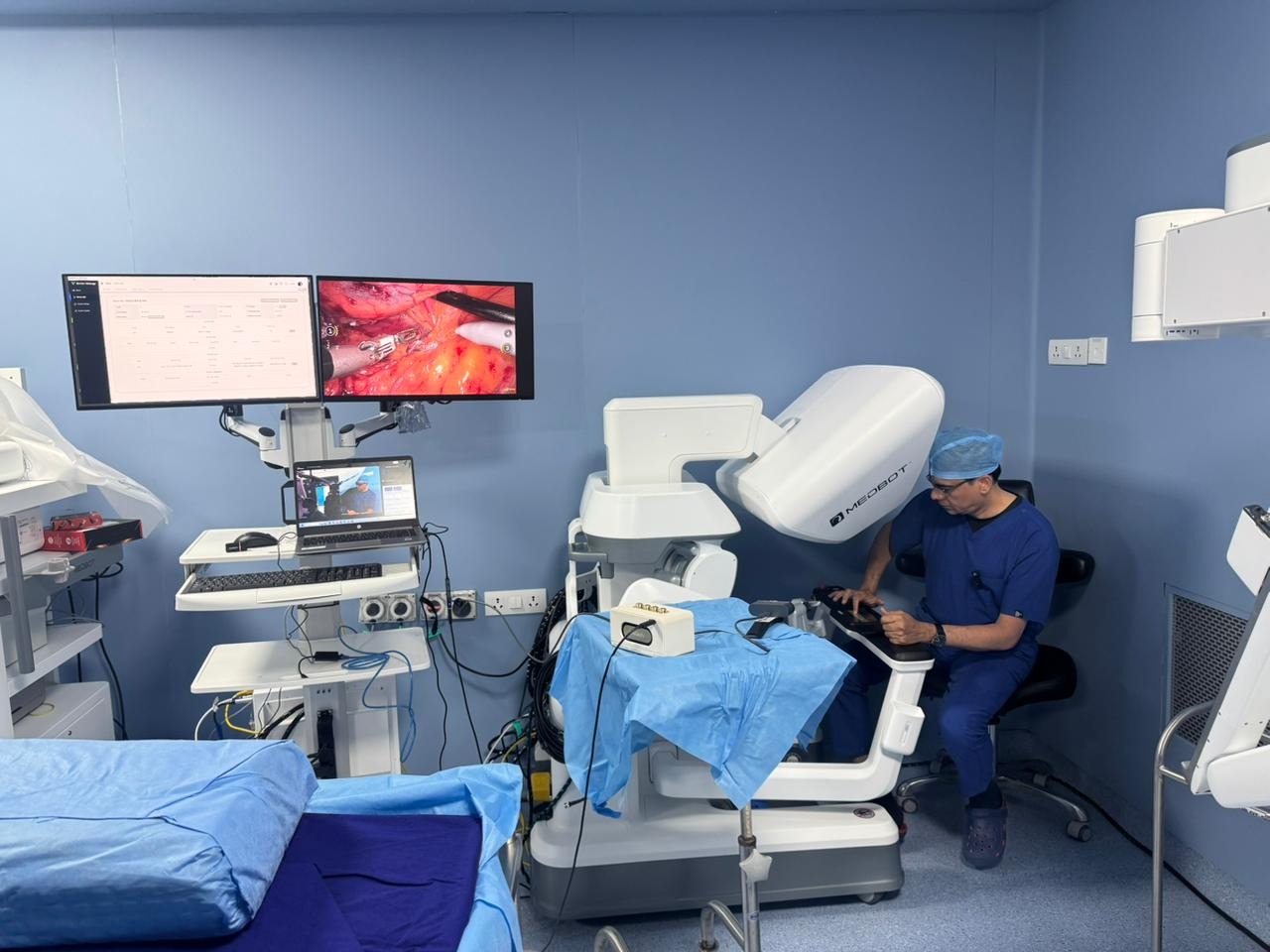
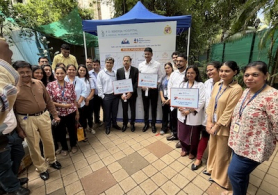
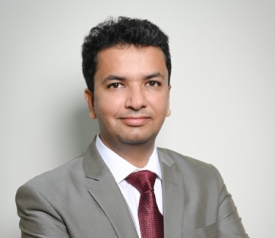
On World Health Day 2026, under the theme “Together for health. Stand with science,” the hospital's surgeon Dr TB Yuvaraja performed a robotic radical nephrectomy on a 55-year-old patient at Medical City Hospital Muscat, operating remotely from Mumbai.
Powered by the advanced Medbot Toumai Robotic Surgery System, the surgery is being hailed as a first-of-its-kind remote robotic operation from India, signalling a future where distance no longer limits access to world-class care.
The procedure, executed with real-time precision and control, underscores the growing reliability of cross-border robotic surgery. It also highlights the hospital’s cutting-edge capabilities, with its Centre for Robotic Surgery and multiple advanced robotic platforms positioning it as a national leader in multi-disciplinary robotic procedures.
Dr Yuvaraja, who has performed over 4,200 robotic surgeries, said, “What we are witnessing today is a fundamental shift in how healthcare will be delivered globally. The ability to operate across borders in real time means that access to the best medical expertise is no longer defined by geography.
"This milestone goes beyond a successful procedure—it reflects how rapidly healthcare is evolving beyond physical boundaries. As technology enables us to deliver precision care across continents, India is uniquely positioned to lead this transformation from being a destination for treatment to becoming a provider of real-time global medical expertise.”
Hospital leadership framed the achievement as part of a broader push into next-generation care delivery.
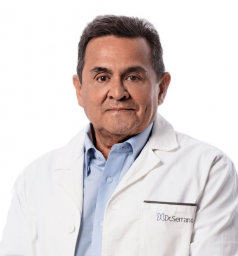
Dr Santosh Shetty, Executive Director and CEO, said, “This development builds on the hospital’s technology leadership and earlier success in remote robotic procedures, further strengthening its position at the forefront of medical innovation. Kokilaben Hospital and Dr. Yuvaraja, continue to push the boundaries of what is possible in modern telesurgery—this time extending India’s strong clinical capabilities to a cancer patient in Muscat.
"As healthcare systems globally look to address disparities in access and expertise, milestones like these signal a larger transformation—one where distance becomes irrelevant, access becomes universal, and India plays a leading role in shaping the future of global healthcare innovation.”
The surgery was conducted under strict regulatory oversight, adhering to guidelines from the Central Drugs Standard Control Organization, ensuring high standards of safety and clinical governance. Experts say such regulatory alignment will be crucial as remote robotic surgery moves from experimental success to scalable healthcare solution.
Beyond the operating room, the implications are profound. India—long known as a global hub for medical tourism—is rapidly evolving into a provider of real-time, cross-border medical expertise. Instead of patients travelling for treatment, top surgeons can now reach them instantly, cutting delays and expanding access to specialized care.