The partnership combines Takara Bio’s scalable instrumentation with Resistomap’s data analytics platform to support the One Health approach, which emphasises the need to monitor AMR across environmental, animal and human health systems.
Experts note that environmental pathways such as water, wastewater, agriculture and food systems play a critical role in the spread of antibiotic resistance.
The collaboration comes amid rising global concern over AMR, which is projected to become a leading cause of death by 2050 if left unaddressed. Following the 2024 United Nations General Assembly High-Level Meeting on Antimicrobial Resistance, regulatory focus on AMR surveillance, including environmental monitoring, has intensified. However, challenges remain due to the lack of standardised workflows, limited throughput and cost constraints.
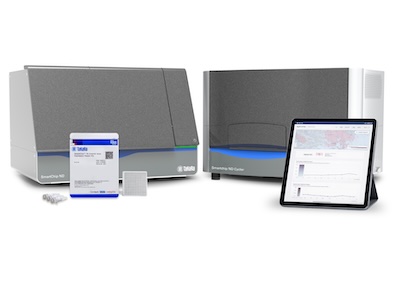
To address these gaps, the companies are advancing the SmartChip Biosecurity Platform, which integrates Takara Bio’s SmartChip ND Real-Time PCR system with Resistomap’s cloud-based analytics tools. The platform enables simultaneous analysis of thousands of AMR data points within a single run, significantly improving efficiency compared to conventional qPCR methods.
The SmartChip system is designed for high-throughput gene quantification, allowing detection of multiple antibiotic resistance genes, including those present at low levels in complex environmental samples. It can process a substantially higher number of data points per run compared to standard systems, enabling broader and faster surveillance.
Data generated through the platform is analysed using Resistomap’s software, which provides multiple visualisation and reporting tools to track resistance patterns over time, across locations and at the gene level. This supports applications ranging from public health monitoring to environmental risk assessment.
The platform also includes predesigned assay kits targeting a wide range of AMR-related genes, including resistance markers, pathogens and microbial indicators. Both companies indicated that additional assay kits tailored to specific regions and use cases are under development.
The partnership is aimed at enabling more standardised, scalable and data-driven approaches to AMR surveillance, supporting global efforts to address the growing threat of antibiotic resistance.