The last-mile healthcare delivery across 1,100 villages, with focus on maternal health, diagnostics, and chronic disease management
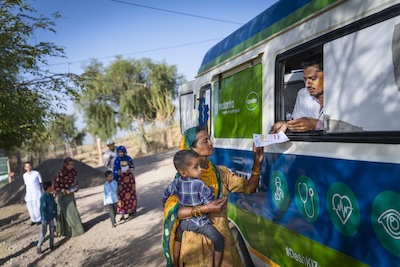
Vedanta Limited has said its community healthcare initiatives impacted more than 30 lakh people in FY26, as the conglomerate deepened its social investment in rural and underserved healthcare ecosystems across India.
The company said it invested over Rs 50 crore in healthcare programmes during the last financial year, taking its cumulative four-year healthcare spend to around Rs 130 crore under its social impact initiatives.
The programmes currently span more than 1,100 villages, focusing on preventive care, early diagnosis, primary treatment access, and long-term disease management.
Vedanta’s healthcare strategy follows a “continuum of care” model, covering life stages from maternal and child health to elderly care. Its interventions include prenatal and postnatal support, adolescent wellness, nutrition security, anaemia reduction, and non-communicable disease management, supported through community health workers, digital tools, and mobile healthcare delivery.
Among the company’s flagship platforms is Nand Ghar, a nationwide network of modernised anganwadis that combines nutrition, early childhood care, and primary healthcare support at the grassroots level. Vedanta also operates mobile health vans, medical centres, and partnerships with district hospitals, strengthening last-mile access in states such as Rajasthan, Odisha, and Chhattisgarh.
A key healthcare infrastructure asset in its portfolio is BALCO Medical Centre in Naya Raipur, which recently introduced the da Vinci Xi robotic surgical system, becoming the first private hospital in Central India to deploy the technology for advanced oncology surgeries.
The company said its pathology clinic in Jharsuguda and community screening programmes are improving access to timely diagnostics for anaemia, infections, and chronic diseases, while referral linkages ensure secondary and tertiary care support for severe cases.

Subscribe To Our Newsletter & Stay Updated