The study examines how appetite changes associated with GLP-1 use are influencing everyday food behaviours and what these shifts could mean for food and beverage innovation

The growing use of GLP-1 medicines among Indian consumers is driving changes not only in portion sizes and appetite, but also in food choices, sensory preferences, shopping behaviour and social eating, according to new research from International Flavors & Fragrances (IFF).
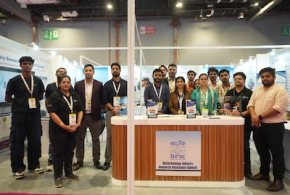
The findings were released in IFF's report, “Inside the India GLP-1 Consumer Journey,” at the company's Eat Smart Asia: The GLP-1 Shift symposium in New Delhi.
The study, based on research among GLP-1 users in Delhi, Mumbai and Bengaluru, examines how appetite changes associated with GLP-1 use are influencing everyday food behaviours and what these shifts could mean for food and beverage innovation.
According to the study, 74% of respondents said they read food labels more carefully than before starting GLP-1 medication, while 90% reported changes in how food tastes or feels. The findings indicate that consumers are eating smaller portions while becoming more selective about nutritional value, ingredients, taste, texture and overall satisfaction.
Harsch Koshti, regional marketing director, IFF Taste for Greater Asia, said changes in appetite can lead to a broader change in people's relationship with food, influencing not just how much they eat but also how they choose and experience food.
The research found significant reductions in the quantities of commonly consumed Indian foods. Respondents reported moving from three or four chapatis to one or two, five or six idlis to two, and around 2.5 bowls of rice to approximately half a bowl. IFF said the reduction in volume could increase the importance of nutrient density, sensory appeal and satiety, as consumers expect greater value from smaller portions.
The impact of GLP-1 use also appears to extend into social occasions. Around 64% of respondents reported experiencing discomfort during social eating at least occasionally, highlighting the challenge of maintaining familiar social food experiences while adapting to lower appetite and smaller portions.
At the same time, the study found that household purchasing patterns remain comparatively stable. 78% of respondents said their households continued buying biscuits, while 71% continued purchasing packaged sweets and full-fat dairy products and 63% continued buying fried snacks. This suggests that individual dietary changes may not immediately translate into major changes in household grocery purchasing.
Hydration is another area where behaviour is changing. IFF found that 74% of respondents viewed hydration as a daily wellness goal, with coconut water and electrolyte-based beverages emerging as preferred options. The trend could create opportunities for beverage products combining hydration, functionality and sensory appeal.
The findings point to a potentially broader shift in India's food market as GLP-1 therapies become increasingly relevant to consumers.
Rather than creating a narrow category of “GLP-1-friendly” foods, IFF said food and beverage companies may need to rethink how products deliver nutrition, taste, texture, satiety and value in smaller portions, while accounting for India's family-oriented food culture.

Subscribe To Our Newsletter & Stay Updated