Green Vision Centres cut emissions, expand community coverage as partners align on resilient eye health systems
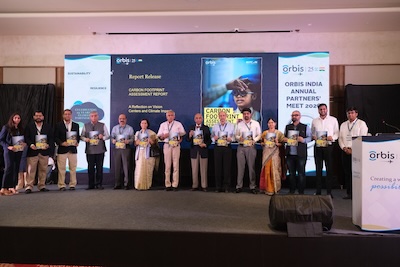
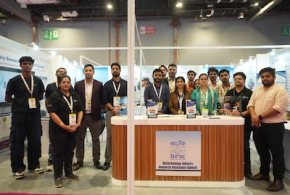
Orbis International brought together leading healthcare institutions, policymakers, public health experts, and ecosystem partners at its India Partners Meet 2026 to accelerate collaborative efforts toward sustainable, climate-resilient, and equitable eye care delivery.
Held in Gurugram on April 10–11, the two-day convening was anchored around the theme “Empowering Eye Care Institutions for a Green & Resilient Future”, with discussions focused on eliminating avoidable blindness through stronger partnerships, innovation, and environmentally responsible healthcare models.
The event saw participation from institutions including the Public Health Foundation of India and the LV Prasad Eye Institute, alongside experts such as Dr. Rajiv Kumar and Dr. Raj Shankar Ghosh, highlighting growing cross-sector momentum to strengthen healthcare systems and improve access to quality vision services for underserved communities.
A key focus area was the growing need to integrate climate resilience and sustainability into eye health delivery, especially at a time when the healthcare sector contributes nearly 5% of global greenhouse gas emissions. Sessions on green healthcare infrastructure, energy efficiency, climate impact tools, and climate-resilient eye health systemsexplored how care delivery models can reduce environmental impact while improving reach.
During the meet, Orbis released several strategic knowledge resources, including a coffee table book featuring 25 life-transforming stories, a report on Orbis in India’s alignment with the Sustainable Development Goals (SDGs), and a Carbon Footprint Assessment Report.
A major highlight was the growing impact of community-based Green Vision Centres (GVCs), which are helping bring quality eye care closer to patients while significantly reducing travel-linked emissions.
According to data shared at the event, GVC-enabled services helped avoid 610,107 kgCO₂e emissions in FY24, rising to 689,179 kgCO₂e in FY25. At the same time, patient coverage through GVCs increased from 75,520 to 93,483, demonstrating how community-based models can simultaneously improve access and support climate-conscious healthcare delivery.
Vision centre screenings contributed 24% of avoided emissions in FY24, increasing to 28% in FY25, reinforcing the role of decentralised primary eye care in reducing healthcare’s environmental footprint.
Speaking virtually at the event, Kathleen Sherwin, President and Chief Executive Officer, Orbis International, said: “As the global burden of avoidable vision loss continues to affect millions, the need for resilient and collaborative health systems has never been greater. India has the opportunity to lead by example by integrating sustainability with innovation and strong partnerships.”
Dr. Rishi Raj Borah, Country Director, Orbis India, said the partners meet reflects Orbis’ commitment to building inclusive, sustainable, and climate-responsive eye care systems. “By bringing together diverse stakeholders, we are fostering collaboration that translates into real impact by expanding access to quality eye care for communities that need it the most.”

Subscribe To Our Newsletter & Stay Updated