The webinar on World Environment Day brought together scientists, policymakers, industry representatives, and researchers to discuss the role of biotech and biomanufacturing in addressing climate change and advancing sustainable development
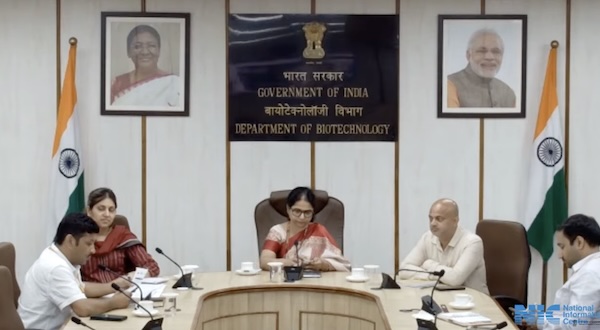
On the eve of World Environment Day 2026, the Department of Biotechnology (DBT), Government of India, organized a webinar titled “Adapt Biomanufacturing 2 Address Climate Change,” aligned with the global theme, “Climate Action #NowForClimate.”
The event brought together scientists, policymakers, industry representatives, and researchers to discuss the role of biotechnology and biomanufacturing in addressing climate change and advancing sustainable development.
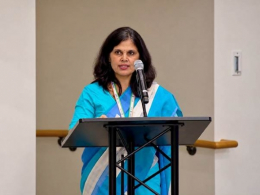
Dr. Sangita M. Kasture, Scientist G and Head of the Biomanufacturing Directorate at DBT, highlighted the Department’s efforts to strengthen India's biomanufacturing ecosystem through innovation-led and sustainable biotechnology solutions.
Dr Kasture emphasized the vision of the BioE3 Policy, which seeks to promote high-performance biomanufacturing for sustainable fuels, chemicals, biomaterials, and other bio-based products that support environmental sustainability and climate-resilient agriculture.
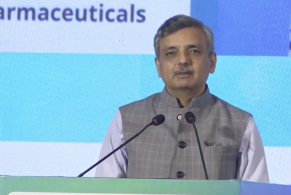
Dr. Rajesh S. Gokhale, Secretary, DBT, Director General of BRIC, and Chairman of BIRAC, underscored the growing challenges posed by unsustainable material consumption, rising waste generation, and climate change. He highlighted DBT’s efforts to support India’s climate and sustainability goals through high-performance biomanufacturing under the BioE3 Policy.
Dr. Gokhale underscored the need to scale innovations through Biofoundries and Biomanufacturing Hubs to bridge the gap between laboratory research and industrial deployment. He also called for stronger translational research and industry partnerships to accelerate the adoption of bio-based technologies across sectors.
Delivering the keynote address, environmentalist Dr. Anil Prakash Joshi of HESCO, Uttarakhand, focused on the conservation of the Himalayan ecosystem and stressed the importance of community-led environmental stewardship, sustainable resource management, and climate-resilient development.
Dr. Joshi also highlighted the growing role of biotechnology in biomanufacturing and emphasized the need for footprint assessment of technological solutions.
Researchers and experts from institutions including IISc Bangalore, ICGEB New Delhi, West Bengal State University, IIT-ISM Dhanbad, IISER Kolkata, ATREE Bangalore, IISER Thiruvananthapuram, and NCBS Bangalore participated in the event. More than 100 institutions attended the webinar.
The webinar showcased several DBT-supported initiatives aimed at addressing climate change and promoting environmental sustainability. Presentations covered diverse areas including microbial platforms for sustainable biomanufacturing, carbon capture and utilization, restoration of mangrove biodiversity in the Sundarbans.
A representative from the Ministry of Environment, Forest and Climate Change highlighted the importance of Mission LiFE and called for a transition from environmental awareness to tangible action.

Subscribe To Our Newsletter & Stay Updated