India conducts only about 4% of global clinical trials, while annual pharmaceutical R&D spending remains at $2–3 billion, compared with $70–75 billion in the US
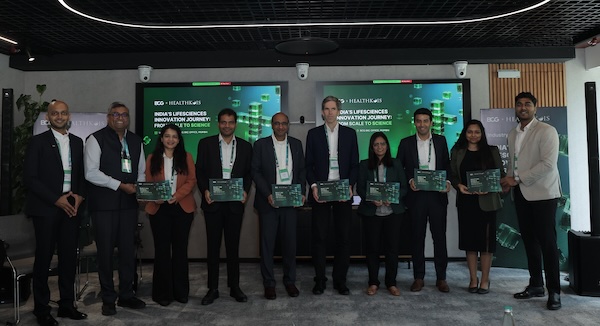
India's pharmaceutical industry is entering a defining phase of innovation, with growing momentum in novel drug discovery, advanced therapeutics and artificial intelligence (AI), according to a new report by Boston Consulting Group (BCG) and HealthKois.
However, the report warns that addressing gaps in capital, clinical research and R&D investment will be critical for the country to emerge as a globally competitive innovation hub.
Titled "Built on Scale, Turning to Science: India's Pharma and Life Sciences Innovation Opportunity," the report is based on more than 30 interviews with founders, pharmaceutical executives, investors and ecosystem leaders, alongside analysis of patents, venture capital investments, innovation pipelines and global industry data.
The report notes that while India has established itself as the world's third-largest pharmaceutical producer by volume, supplying around 60% of global vaccines and nearly 40% of generic medicines consumed in the United States, the next phase of growth will depend on transitioning from manufacturing excellence to scientific innovation.
According to the report, India has developed more than 10 novel drug assets over the past decade. Private equity and venture capital investments in pharmaceuticals have more than doubled over the past five years to $731 million in FY26, while the number of biotech startups has grown from approximately 1,500 to 2,400.
The country's innovation pipeline has also expanded significantly, with over 1,095 drug discovery programmes across 195 companies, while Indian-origin pharmaceutical patent families increased from around 716 in 2015 to 2,995 in 2024, raising India's share of global pharma patents from 3–4% to nearly 10%.
The report highlights that Indian companies are increasingly moving beyond generics and biosimilars to develop original medicines, license innovative assets globally and build internationally competitive technology platforms.
It identifies four major enablers supporting this transformation: nearly $5 billion in government funding for early-stage and translational research; stronger academia-industry partnerships supported by technology transfer offices; regulatory reforms that have reduced drug development approval timelines from 180–270 days to 60–120 days; and the emergence of shared innovation ecosystems such as Genome Valley and C-CAMP.
The report also points to successful examples of lab-to-market innovation, including BIRSA 101, India's first indigenous CRISPR-based therapeutic, and NexCAR19, an indigenous CAR-T cell therapy priced at nearly one-tenth of comparable international products.
Indian companies are adopting diverse innovation strategies to expand globally. Small-molecule drug development accounts for nearly 49% of private investment and 58% of active patents, while AI-enabled drug discovery and digital therapeutics attract around 17% of venture capital funding.
Recent landmark transactions—including Glenmark's $700 million upfront licensing deal with AbbVie, partnerships with Almirall and Astria Therapeutics, ImmunoACT's collaboration with Cipla to commercialise its CAR-T therapy in Africa, and Peptris' licensing of India's first AI-discovered drug candidate to Revio Therapeutics—underscore growing international confidence in India-origin innovation.
The report identifies cost-disruptive innovation, India-specific data-driven precision medicine, and science-led platform technologies as the country's strongest opportunities, supported by clinical trial costs that are 50–60% lower than those in the United States, abundant scientific talent and one of the world's most genetically diverse populations.
Despite this progress, the report cautions that structural bottlenecks remain. Although India accounts for nearly 15% of the global disease burden, it conducts only about 4% of global clinical trials, while annual pharmaceutical R&D spending remains at $2–3 billion, compared with $70–75 billion in the US. It also notes that only 10–15% of Indian venture capital firms possess deep expertise in pharmaceuticals and biotechnology, compared with around 60% in the US.
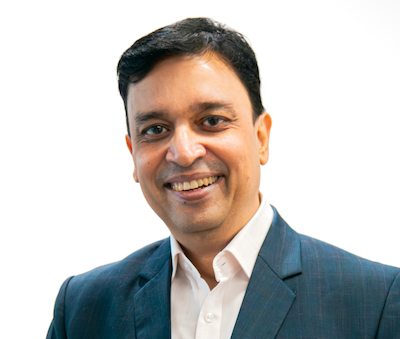
Priyanka Aggarwal, Managing Director and Senior Partner, BCG India and Southeast Asia Leader, Healthcare Practice, said, "India's innovation trajectory is gaining real momentum, and its evolution into a sustained innovation engine is well underway. We are seeing a fundamental shift in ambition from replication to origination, and from process excellence to scientific discovery. Realizing this potential will require building specialist biotech capital, deepening academia-industry partnerships, creating fast-track regulatory pathways, and bridging the talent gap in R&D and innovation."
Abhinav Anand, Partner, BCG, said, "There is no single playbook. Zydus developed indigenous molecules like Saroglitazar and Desidustat in India and is now scaling them globally. Glenmark took a different route by advancing a first-in-class asset through global development, culminating in a $700 million upfront licensing deal with AbbVie, one of the largest such transactions for an India-origin molecule," he said.
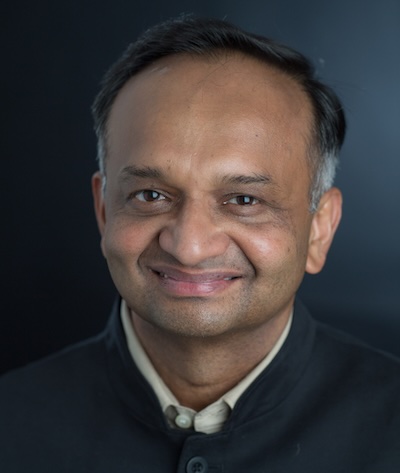
Charles Janssen, Co-Founder and Managing Partner, HealthKois, said, "We are seeing India-origin science licensed by global pharma majors, and indigenous CAR-T therapies treating patients at a fraction of the global cost. Capital that understands the science and is willing to back it through the early, uncertain years will be the difference between a handful of breakout successes and a durable innovation engine," he said.
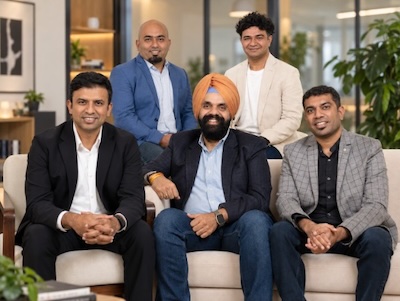
Ajay Mahipal, Co-Founder and General Partner, HealthKois said, “India is at a genuinely exciting inflection point, shifting from replication to origination. By combining cost, data and scientific talent in ways few countries can match, India is building a differentiated advantage. The next five years will determine whether the country becomes a true global originator of pharmaceutical innovation," he said.

Subscribe To Our Newsletter & Stay Updated