A new wearable heart failure treatment combining a mini-pump and a targeted medication has enabled patients to leave hospital significantly earlier while safely continuing therapy at home.
This is according to results from a major UK clinical trial led by the University of Glasgow. The trial is called SUBCUT HF II.
Researchers reported that patients treated with the wearable system were discharged around five days earlier than those receiving standard hospital-based care.
With cardiovascular disease responsible for nearly one-third of deaths in India and heart failure driving heavy hospital demand worldwide, the findings point to a potential shift in how the condition is managed—especially in health systems under pressure from high patient volumes.
Heart failure, where the heart is unable to pump blood effectively, remains one of the leading causes of repeated hospital admissions globally.
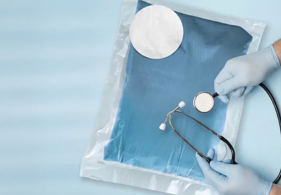
The multicentre randomised controlled trial enrolled 172 patients across 20 UK hospitals. Participants received a skin-friendly formulation of furosemide delivered via a small wearable subcutaneous mini-pump, similar in concept to insulin pump technology used in diabetes care.
After initial stabilisation in hospital, patients or their family members were trained to continue treatment safely at home.
Researchers found no increase in adverse outcomes among patients using the device compared with standard care, with recovery rates broadly similar between the two groups.
The study also reported strong patient acceptance, with users describing the device as easy to operate during home treatment.
Traditionally, patients with fluid overload require intravenous diuretics in hospital for around 9–10 days, contributing substantially to bed occupancy pressures. The new approach is designed for these patients after admission, allowing earlier discharge while continuing treatment remotely under clinical guidance.
In the UK alone, heart failure accounts for around 1 million NHS inpatient bed days annually. Researchers suggest that home-based treatment models like this could help ease hospital congestion globally.
Lead investigator Dr Ross Campbell, Clinical Senior Lecturer at the University of Glasgow, said: "This study has shown that we can successfully and safely manage patients with heart failure in their own home, and moreover, that patients are able to administer treatment themselves.
“This represents an entirely new treatment pathway for the management of patients with heart failure, one that patients have been requesting for decades, but that we have been unable to deliver until now.
“The study was delivered by a key partnership between the NHS and the University of Glasgow alongside industry and has shown how effective this new treatment can be for heart failure in a real-world clinical setting.”
Professor Mark Patrie, Professor of Cardiology at the University of Glasgow and co-lead author, added: "The results of SUBCUT HF II demonstrate a leap forward in our ability to treat patients with heart failure in a way that benefits them and the NHS. The study demonstrates how safe and effective this treatment method can be, as well as how simple the device and drug combination were for patients at home.”
Retired railway traffic coordinator Stephen Allan, 65, from Clarkston near Glasgow, who participated in the trial, said: “The greatest thing about it is the new treatment method gave me the freedom to get home to family and be more comfortable. Using the device also means that you are not taking up a bed in hospital, which feels like a good thing. Overall the treatment worked really well.”
Researchers say the innovation could help shape future models of remote cardiac care, an area rapidly gaining attention across global healthcare systems, including in India.