Experts announce upcoming Amyotrophic lateral sclerosis (ALS) studies, advocate early diagnosis, comprehensive care, and stronger support systems for patients and caregivers
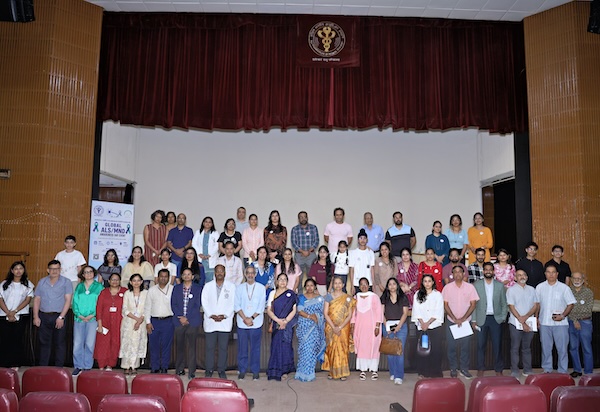
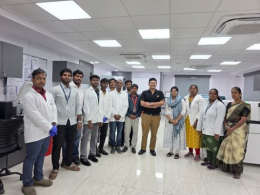
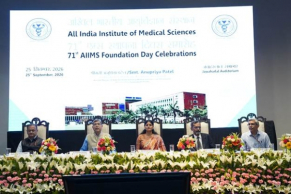
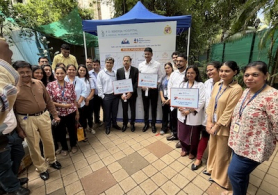
The Department of Neurology at AIIMS, New Delhi, in collaboration with the ALS Care & Support Foundation (ALSCAS) India, observed Global ALS/MND Awareness Day on June 24, 2026, bringing together more than 150 patients, caregivers, neurologists, researchers, and healthcare professionals to raise awareness about Amyotrophic Lateral Sclerosis (ALS), a progressive neurodegenerative motor neuron disease.
The event focused on advances in ALS research, multidisciplinary care, and the need to strengthen early diagnosis, patient support, and clinical research in India. Expert sessions covered disease understanding, respiratory care, cognitive and behavioural changes, palliative care, and assistive technologies that improve the quality of life of people living with ALS.
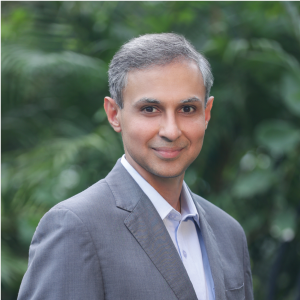
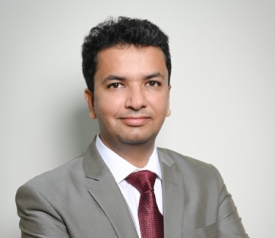
Dr. Vishnu V.Y., Additional Professor, Department of Neurology, AIIMS New Delhi, said, "Important advances are being made globally in ALS research and care. In this context, there is a need to further strengthen early diagnosis, research, comprehensive care pathways, and support systems for individuals and families living with ALS/MND."
AIIMS also announced two upcoming research initiatives—a Target ALS-funded natural history study scheduled to begin in August 2026 and a smartphone-based ALS registry expected to launch in September–October 2026. These initiatives are aimed at strengthening India-specific ALS research and expanding opportunities for future clinical trials.
The programme also highlighted the journey of ALSCAS India, which has evolved from a caregiver-led initiative into a nationwide support network for families affected by ALS/MND. Patients and caregivers shared personal experiences, underscoring the importance of peer support and community engagement.
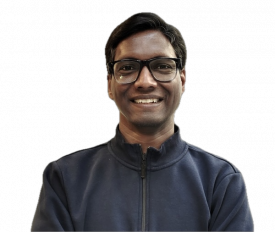
Sukhvinder Kaur, Co-founder of ALSCAS, said, "ALS, for which currently there is no cure, affects not only the individual but the entire family. Over the years, we have learned that shared knowledge, timely interventions, and community support can make an enormous difference. No family should have to face this journey alone."

Subscribe To Our Newsletter & Stay Updated