The therapy is suited for patients with severe valve leakage who face elevated surgical risk due to advanced age, frailty, or multiple medical complications
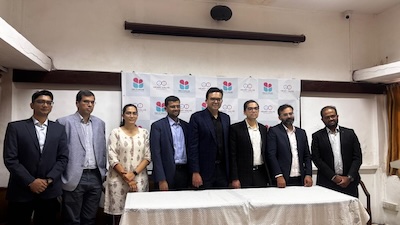
HVS Hospitals, Mumbai has achieved a major milestone by successfully performing one of the highest numbers of advanced clip therapy procedures in Western India for patients suffering from severe leaky heart valves.
The cumulative experience of the HVE team under HVS Hospitals now exceeds 100+ CLIP procedures, highlighting their expertise in minimally invasive valve repair for high-risk cardiac patients who may not be suitable candidates for conventional open-heart surgery.
Advanced clip therapy is a transcatheter, minimally invasive procedure that repairs leaking heart valves without opening the chest. It is particularly suited for patients with severe valve leakage who face elevated surgical risk due to advanced age, frailty, or multiple medical complications.
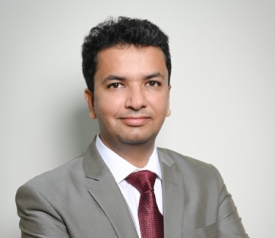
Dr. Ankur Phatarpekar, Heart Valve Expert, said, “This achievement reflects the growing need for minimally invasive options for patients with complex valve disease. High-risk patients often delay treatment or are considered unsuitable for open-heart surgery. Clip therapy offers a safe and effective alternative, reducing hospitalisations and enhancing life quality.”
Dr. Meghav Manoj Shah, Cardiologist, added, “Success depends on right patient selection, advanced imaging, and team-based planning. TEER is not for every patient, but for eligible individuals, it is transformative.”
Dr. Amit Gangwani, Cardiologist, said, “Patients with severe valve leakage often come to us at a stage where open-heart surgery may carry significant risk. Advanced clip therapy has changed the treatment pathway for such patients by offering a less invasive option with faster recovery and meaningful improvement in symptoms. This milestone reflects not only procedural expertise, but also the trust patients place in advanced structural heart care.”
Dr. Aniruddha Pawar, Cardiac Anaesthetist, added, “The success of clip therapy depends on seamless coordination inside the cath lab. From anaesthesia support and hemodynamic monitoring to imaging guidance and post-procedure care, every step requires precision. For elderly and high-risk patients, this team-based approach plays a critical role in ensuring safety and better clinical outcomes.”

Subscribe To Our Newsletter & Stay Updated