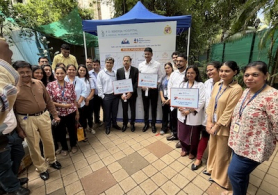
Amid rising summer temperatures and increasing respiratory concerns, Apollo Spectra Hospital marked World Asthma Day by emphasizing the importance of early diagnosis, trigger management, and treatment adherence in controlling asthma and improving patient outcomes.
According to the World Health Organization, asthma affects an estimated 363 million people globally and causes around 442,000 deaths annually, with the majority occurring in low- and middle-income countries due to underdiagnosis and undertreatment. India alone accounts for over 34 million asthma cases, contributing nearly 13 per cent of the global burden.
Healthcare experts noted that worsening air pollution, rapid urbanisation, changing weather patterns, humidity, and seasonal allergens are contributing to the growing prevalence of respiratory diseases across all age groups.
Indranil Banerjee, Pulmonology Specialist at Apollo Spectra Hospital, Chennai, said, “Environmental triggers such as air pollution, dust exposure, and seasonal allergens are among the leading causes of asthma flare-ups today, especially in urban settings. What’s concerning is that many patients delay diagnosis or rely on symptomatic relief instead of structured treatment.”
He added, “Early diagnosis, along with regular use of prescribed inhalers and trigger avoidance, plays a critical role in preventing frequent exacerbations and improving long-term respiratory health. It is also imperative to diagnose correctly and be mindful of treatable traits along with asthma. Aspergillus Fungus colonisation is a detrimental consequence of untreated and poorly managed Asthma.”
Doctors also highlighted that many patients ignore mild symptoms or resort to self-medication, which can worsen the condition and increase the risk of severe attacks.
Rajkumar K, Pulmonology Specialist at Apollo Spectra Hospital, Chennai, said, “A significant challenge in asthma management is poor inhaler adherence and incorrect usage techniques, which can reduce treatment effectiveness. Patients need to be educated not just about medication, but also about identifying personal triggers and monitoring symptoms.”
He further added, “With a proactive approach that includes routine follow-ups and adherence to therapy, most asthma-related complications and hospitalisations can be effectively prevented.”
Doctors identified common asthma triggers including dust, pollen, air pollution, smoke, weather changes, humidity, respiratory infections, and physical exertion in some cases.
Experts also recommended preventive measures such as avoiding known triggers, maintaining clean indoor environments, regular use of prescribed inhalers, monitoring symptoms, and seeking timely medical advice when symptoms worsen.