Leading orthopaedic experts call for equitable insurance coverage to patients for accessing advanced, precision-driven joint replacement technologies
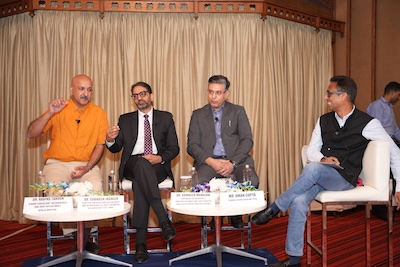
The Partnership to Fight Chronic Disease (PFCD) convened a panel of leading orthopaedic surgeons in New Delhi to discuss India’s growing arthritis burden, widening technological-insurance gaps, and the urgent need for equitable coverage of robotic-assisted joint replacement (JR) surgery.
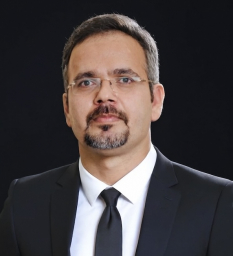
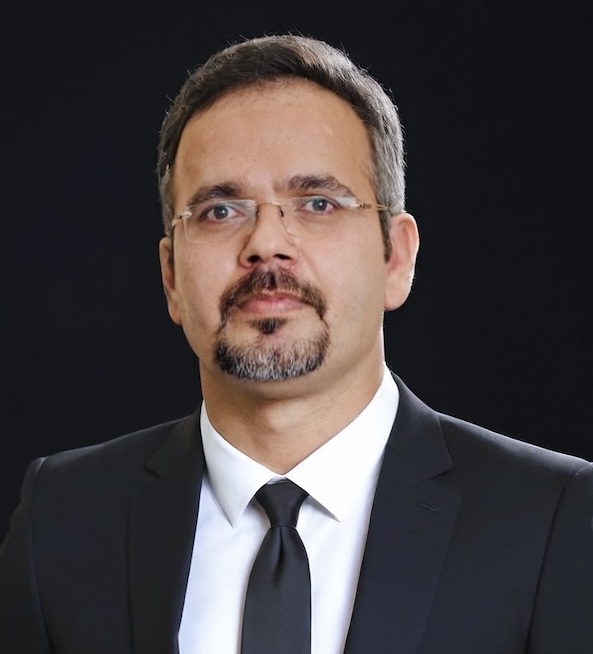
Leading experts who participated in the discussion included Dr Ramneek Mahajan, Chairman – Orthopaedics, Joint Replacement and Chief Robotic Joint Replacement, Max Healthcare; Dr Havind Tandon, Senior Consultant, Orthopaedics and Joint Replacement, Apollo Hospitals; and Dr Subhash Jhangid, Director and Head, Joint Replacement and Orthopaedics at Fortis Memorial Research Institute.
The panel highlighted that insurance limitations, rather than medical constraints, remain the primary barrier to broader adoption.
India performs an estimated 2.5–3.5 lakh joint replacement surgeries annually, with the majority still conducted using conventional techniques. Despite rising interest in advanced procedures, robotic-assisted joint replacements account for only about 5–10% of total surgeries.
The patients often assume their insurance will cover the most advanced treatment options. In practice, robotic surgery is frequently only partially covered, subject to sub-limits, or excluded altogether. This forces patients to make decisions based on affordability rather than clinical need, undermining patient-centric care.
This gap persists despite 2019 guidelines from the Insurance Regulatory and Development Authority of India (IRDAI) mandating coverage for modern treatments.
Dr Ramneek Mahajan said, “Precise implant alignment plays a critical role in improving joint function and long-term outcomes for patients. However, when insurance policies place restrictions on modern surgical techniques, patients are often compelled to choose conventional procedures even when more precise options are available.”
Dr Havind Tandon said, “In clinical practice, it is not uncommon to see patients hesitate or alter their treatment decisions because of insurance limitations on robotic-assisted procedures. Many patients are willing to consider advanced surgical options for better recovery and mobility, but sub-limits and reimbursement restrictions create financial uncertainty. As a result, patients may settle for alternatives that align with insurance coverage rather than what is clinically most suitable.”
Dr Subhash Jhangid, said, “When insurers look beyond the upfront cost of technology and evaluate the overall impact on patient outcomes and long-term healthcare expenditure, comprehensive coverage can prove beneficial for both patients and the healthcare system.”
Aman Gupta, Asia Representative, PFCD said, “At PFCD, our focus is ensuring no patient is left behind due to financial constraints. We advocate for insurance policies that recognize robotic joint replacement as a medically necessary, value-driven innovation. Bridging these insurance gaps is essential for enabling equitable access to world-class care and improving the standard of surgical outcomes across India.”

Subscribe To Our Newsletter & Stay Updated