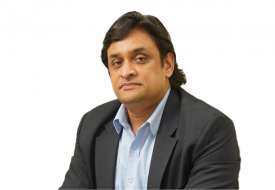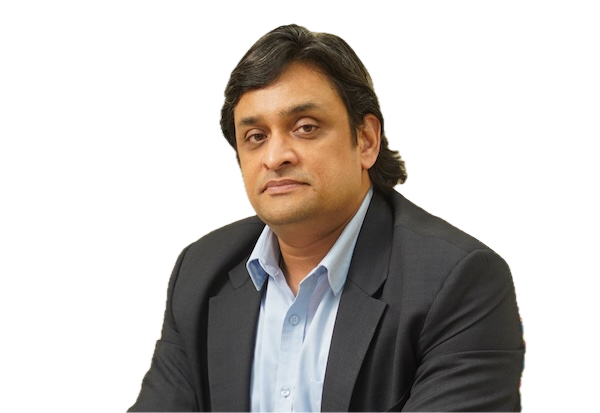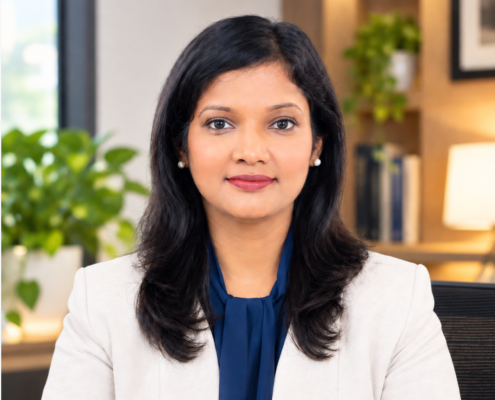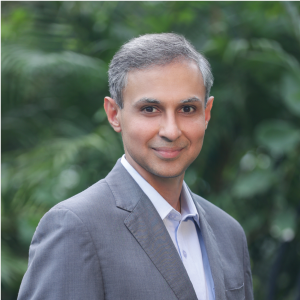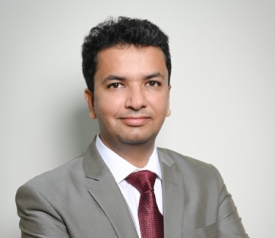
Dr. Abhijat Chandrakant Seth, Chairperson, National Medical Commission underscored that success of medical education should ultimately be measured by quality of doctors produced and their ability to serve society
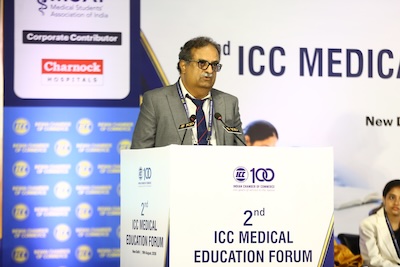
India must now focus on improving the quality of medical education rather than simply expanding the number of medical colleges and seats, Dr. Abhijat Chandrakant Seth, Chairperson of the National Medical Commission (NMC), said at the 2nd ICC Medical Education Forum.
Organised by the Indian Chamber of Commerce (ICC) in association with the Medical Students Association of India (MSAI), the forum brought together regulators, nursing leaders, medical faculty and students to discuss reforms in clinical training, simulation, competency-based education and artificial intelligence (AI).
Dr. Seth noted that India now has more than 820 medical colleges, making the next priority ensuring that students across institutions receive comparable access to quality faculty, learning resources, simulation facilities and research opportunities.
He said the success of medical education should ultimately be measured by the quality of doctors produced and their ability to serve society, rather than by the number of doctors trained.
On AI, Dr. Seth stressed that medical education must equip students to understand and responsibly use AI, while ensuring that professional accountability remains with doctors. He cited data indicating that nearly 50,000 doctors completed structured online AI training in 2026.
Dr. T. Dileep Kumar, President of the Indian Nursing Council (INC), said simulation could play a major role in preparing healthcare professionals for real-world clinical situations.
He highlighted the development of India's National Reference Simulation Centre through collaboration between the INC, Jhpiego, Laerdal Medical India and SGT University, Gurugram.
The INC has also trained nearly 2,000 nursing faculty in structured simulation programmes.
Dr. Richa S. Debgupta, Co-Chair of the ICC National Healthcare Committee and Executive Vice President at Fortis Hospitals, said medical education must move beyond knowledge acquisition to develop competence, clinical judgment, compassion, curiosity and professional character.
Representing the student perspective, Dr. Chaitra B.A., President of MSAI, highlighted concerns around exhaustion, working conditions and workforce preparedness. She called for greater student participation in curriculum design and assessment, while emphasising that burnout cannot be treated as a measure of professional competence.
Meanwhile, Dr. Ritika Sud, Professor of Medicine at Lady Hardinge Medical College, outlined India's transition to Competency-Based Medical Education (CBME), introduced nationally in 2019.
"It was a very subject-oriented, teacher-oriented curriculum where there was more emphasis on rote learning, memorising facts over application. There was no structured early clinical exposure," Dr Sud said of the earlier system.

Subscribe To Our Newsletter & Stay Updated