In a major push to expand access to advanced diabetes care, pharma powerhouse Glenmark has launched GLIPIQ (semaglutide) in India, positioning it as one of the most affordable GLP-1 therapies in the market.
Approved by the Central Drugs Standard Control Organization after a Phase III clinical trial in Indian patients, the once-weekly treatment targets Type 2 Diabetes Mellitus (T2DM) with demonstrated efficacy and safety. The rollout marks a significant step in addressing the country’s growing diabetes burden.
What sets GLIPIQ apart is its aggressive pricing. Weekly treatment is expected to cost between ₹325 and ₹440—dramatically lowering the entry barrier for GLP-1 therapies, a class often considered prohibitively expensive for many patients in India.
The drug will be available in both vial and pre-filled pen formats, offering flexibility for patients and physicians. The company says this dual-format strategy is designed to improve adherence and support long-term disease management, with multiple dosage strengths available.
Alongside the launch, Glenmark is rolling out ‘Sankalp’, a patient support program aimed at easing therapy initiation and improving comfort with injectable treatments—key hurdles in diabetes care.
“Affordability is one of the biggest barriers to initiating advanced diabetes therapy in India. With GLIPIQ, we are setting a new benchmark in affordability for GLP-1 therapy, with weekly treatment starting at ₹325. The vial-based format enables us to offer a more affordable option while supporting clinically guided initiation and flexible dosing.
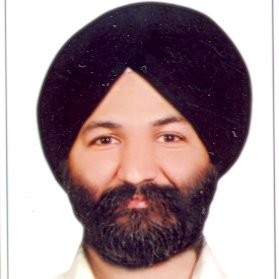
"Building on our experience in the GLP-1 category, including Lirafit (Liraglutide), and supported by our ‘Sankalp’ program, we aim to help more patients access, initiate, and continue therapy over time,” said Alok Malik, President and Business Head, India Formulations, Glenmark Pharmaceutical.
With this launch, Glenmark is betting that affordability, coupled with structured patient support, could reshape access to next-generation diabetes therapies across India.