From import dependence to global leadership, the next phase of growth must be driven not only by manufacturing scale and policy support, but also by innovation, research, and globally competitive healthcare technologies

For years, India’s medical technology sector operated in the shadow of imports. Hospitals across the country depended heavily on foreign-made MRI machines, surgical implants, diagnostic equipment, and critical care devices. Even as India rose to prominence as a global pharmaceutical powerhouse, the MedTech ecosystem continued to evolve and remained largely reliant on imports for advanced technologies.
That equation beginning to change now
India’s MedTech industry is entering what could become its defining decade. Driven by policy reforms, rising healthcare demand, digital adoption, and a stronger manufacturing ecosystem, the sector is steadily moving from import dependence towards global competitiveness. What was once considered a complementary sector is now emerging as a strategic driver of both healthcare resilience and industrial growth.
According to a recent report, India’s MedTech market has already reached nearly $16 billion and is projected to touch $41–44 billion by 2030. This growth is being driven not only by the country’s rising disease burden, but also by greater investments in healthcare infrastructure, expanding insurance penetration and the growing adoption of diagnostics-led care models. The report further notes that domestic manufacturing’s share in local consumption has more than doubled from nearly 20 percent in 2022 to around 45 percent in 2025, reflecting a decisive shift towards indigenous production.
Pandemic a turning point for domestic manufacturing
The COVID-19 crisis highlighted the importance of resilient domestic manufacturing ecosystems worldwide. For India, it became a phase of accelerated capability-building. The country rapidly scaled production of ventilators, PPE kits, oxygen concentrators and diagnostic solutions, demonstrating engineering strength and manufacturing agility at an unprecedented pace. This period strengthened confidence in India’s ability to design and manufacture critical healthcare technologies at scale.
“The pandemic became a defining moment for India’s MedTech sector, reinforcing the urgency of building domestic capabilities while revealing the country’s ability to respond at scale under pressure. India rapidly expanded production of ventilators, PPE kits, oxygen concentrators and diagnostic solutions, showcasing the strength of its engineering capabilities and manufacturing ecosystem. What began as an emergency response evolved into a larger shift in industry confidence and policy direction, while accelerating indigenous innovation and reshaping India’s role in the global MedTech value chain.”
This momentum was further strengthened by government initiatives focused on long-term self-reliance in healthcare technology. Policies such as the Production Linked Incentive scheme for medical devices, the National Medical Devices Policy and dedicated MedTech parks were introduced to encourage domestic manufacturing and attract investment. The decision to allow 100 percent foreign direct investment under the automatic route also encouraged global players to view India as a manufacturing and innovation base while accelerating technology transfer and strategic partnerships.
“More importantly, the sector is now evolving with a future-focused outlook. Indian companies and startups are increasingly investing in AI-enabled diagnostics, remote patient monitoring, digital health platforms and connected care technologies. As healthcare moves towards data-driven and preventive models, India’s combination of engineering talent, digital expertise and cost-efficient innovation is helping position the country not just as a manufacturing hub, but as a potential leader in scalable healthcare technology solutions.”
Encouragingly, Indian companies are moving up the value chain through segments such as orthopaedic implants, cardiac stents, digital diagnostics and patient monitoring systems. Startups are also strengthening the ecosystem through cost-efficient innovation, helping India compete not only on affordability but also on technology, design and innovation while improving access to quality healthcare solutions.
Digital healthcare and AI reshaping India’s MedTech opportunity
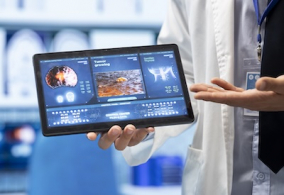
The Indian digital healthcare ecosystem is gaining additional momentum for this transition. The fast pace of adoption of artificial intelligence-enabled diagnostics, telemedicine, wearables, and remote patient monitoring is altering healthcare delivery not only in urban and semi-urban areas but even in rural India too. With the help of the CHCs network extension, hub-and-spoke healthcare delivery model, and the involvement of ASHA workers in linking patients with digital healthcare services, technology is contributing significantly towards narrowing down accessibility problems and improving last-mile healthcare delivery.
While traditional MedTech models relied on manufacturing of hardware devices, digital innovation and software will be crucial to the next phase of healthcare technology development in India. It may become India’s greatest strength over the coming decade.
It is clear that the entire world is witnessing a change where the paradigm of healthcare delivery uses predictive analytics and real-time monitoring through the application of digital technology. Taking advantage of its strengths in providing IT services and digital infrastructures, India has been able to take strides into developing healthcare solutions using advanced medical devices, data analytics, and telemedicine, which will be key to the story of India's MedTech future.
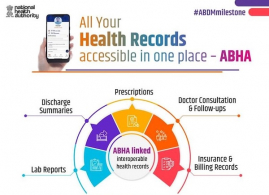
It can be predicted that the trend is going to be fast-tracked with interoperable health records, along with the formation of a huge digital healthcare infrastructure, with the advent of Ayushman Bharat Digital Mission. As technology takes over the healthcare system, India will not only serve as a manufacturing center for medical technology but also as a hub where affordable healthcare solutions will be invented.
According to various research findings by IBEF and CII, India’s export of medical technology is estimated to go up to $20 billion in 2030 with improvements in quality and increased entry into the international markets. This development will ensure that affordable medical technologies become available and accessible, leading to innovation in patient care.
There is also a larger global opportunity emerging for India’s MedTech sector. As healthcare demand rises worldwide and countries look to build more resilient and diversified supply chains after the pandemic, India is increasingly being viewed as a reliable manufacturing and innovation partner. With its growing domestic market, expanding production capabilities and strength in cost-efficient engineering, India is steadily strengthening its role in the global healthcare supply chain while contributing to the availability of accessible and affordable medical technologies across markets.
Road to global leadership depends on innovation and R&D
For India to emerge as a global MedTech leader, the next phase of growth must be driven not only by manufacturing scale and policy support, but also by innovation, research, and globally competitive healthcare technologies. Stronger investment in research and development, clinical validation, and product engineering will help Indian companies move up the value chain, strengthen intellectual property creation, and contribute to global healthcare innovation while improving affordable healthcare access.
At the same time, the sector still faces challenges in regulatory harmonization, testing infrastructure, and component manufacturing, as many specialized sensors, semiconductors, and electronic parts continue to be imported. Building a stronger domestic supply chain and developing specialized biomedical, regulatory, and precision manufacturing talent will therefore remain essential.
Despite these challenges, India’s MedTech sector is moving beyond import reduction toward innovation, digital integration, manufacturing expansion, and global relevance. Rising healthcare demand, supportive policies, technological advancement, and growing domestic capabilities are creating a stronger healthcare ecosystem. If this momentum continues, India can strengthen healthcare access domestically while becoming a globally trusted provider of affordable, high-quality healthcare technologies.
This transformation reflects India’s growing confidence and ambition to become a long-term leader in shaping the future of accessible healthcare worldwide for all populations.
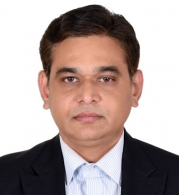
About Author: Dr. Shravan Subramanyam is the Managing Director of BPL Medical Technologies and a third-generation physician with more than 20 years of experience in the global healthcare and medical technology industry. Over the years, he has held leadership roles in world's leading healthcare companies including Wipro-GE Healthcare, Roche, and Novartis, driving business growth and healthcare transformation across South Asia, Asia-Pacific, and the United States. His cross-functional experience spans healthcare delivery, market strategy, and business development.

Subscribe To Our Newsletter & Stay Updated