VESCOP, ENTOD Pharmaceuticals, and APTI-MSB host the event to bridge lab-to-clinic gap in eye care
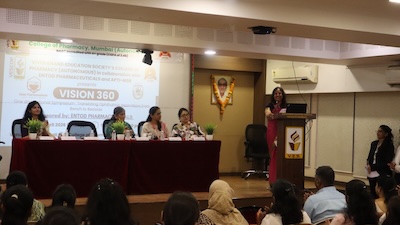
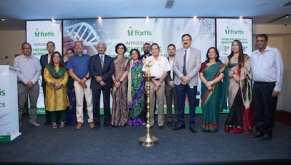
In a concerted effort to address India’s growing burden of eye disorders, Vivekanand Education Society’s College of Pharmacy (VESCOP), ENTOD Pharmaceuticals, and APTI-MSB convened Vision 360, a one-day national symposium on “Translating Ophthalmic Innovations from Bench to Bedside.”
Held at VES College of Pharmacy, the symposium brought together pharmacy experts, ophthalmologists, industry leaders, regulators, and students to accelerate the journey of scientific discoveries into clinical application.
Through keynote lectures, expert sessions, interdisciplinary discussions, and e-poster presentations, the event focused on bridging the persistent gap between laboratory research and patient care.
India continues to face a significant eye health challenge, with nearly 75% of blindness cases considered preventable or curable. Conditions such as glaucoma—affecting over 12 million people, most of whom remain undiagnosed.
Nikkhil K Masurkar, CEO of ENTOD Pharmaceuticals, highlighted the importance of collaboration across sectors. “With growing advancements in ophthalmic research, it is essential to strengthen the translation of innovation from bench to bedside. Vision 360 serves as an important platform to bring together academia, clinicians, and industry to share knowledge, discuss developments, and encourage collaboration in ophthalmic therapeutics."
Prof. Supriya Shidhaye, Principal of VESCOP, emphasised the institution’s focus on fostering multidisciplinary engagement. “Vision 360 reflects our continued efforts to promote knowledge exchange, translational research, and collaboration across the pharmaceutical and healthcare ecosystem."
The symposium featured sessions by leading experts including Prof. Thakur Raghu Raj Singh (Queen’s University, Belfast), Dr. Kasturi Bhadsavle (EyeVet), Dr. Sanjay Tamoli (TIMER), and Dr. Sadhana Sathaye (ICT). D
iscussions covered innovations in ophthalmic drug development, regulatory and clinical pathways, and emerging experimental models such as zebrafish and Drosophila.

Subscribe To Our Newsletter & Stay Updated