SBE303 targets Nectin-4, an adhesion protein overexpressed in multiple tumor types, including urothelial, lung, and breast cancers
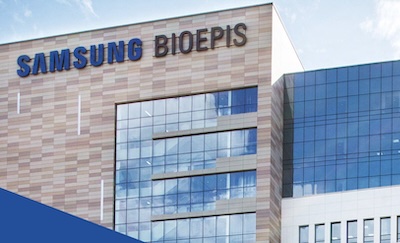
Samsung Bioepis has presented encouraging nonclinical data for its first novel antibody-drug conjugate (ADC) candidate, SBE303, at the American Association for Cancer Research Annual Meeting 2026, being held from April 17–22 in San Diego.
The candidate marks a strategic step beyond biosimilars for Samsung Bioepis, reinforcing its push into innovative biologics. According to Donghoon Shin, Executive Vice President and Head of Clinical Sciences, the preclinical findings highlight SBE303’s potential as a next-generation ADC with strong efficacy, safety, and tolerability profiles.
“The data demonstrate promising anti-tumor activity and the potential to work in combination with existing immuno-oncology therapies,” Shin said. “Importantly, our engineered antibody is designed to enhance target-mediated internalization, which could improve therapeutic outcomes.”
SBE303 targets Nectin-4, an adhesion protein overexpressed in multiple tumor types, including urothelial, lung, and breast cancers. While existing Nectin-4-targeting ADCs have shown clinical benefit, they are often constrained by a narrow therapeutic index and dose-limiting toxicities.
Samsung Bioepis has engineered SBE303 to address these limitations by combining a highly specific anti–Nectin-4 antibody with a novel topoisomerase I inhibitor payload, linked via a proprietary conjugation platform. This design aims to enhance the therapeutic window while maintaining potent anti-cancer activity.
A comprehensive suite of pharmacology, pharmacokinetics, and toxicology studies supported the candidate’s profile. Preclinical results demonstrated robust tumor inhibition alongside a differentiated tolerability profile, with an estimated highest non-severely toxic dose (HNSTD) of 40 mg/kg. Notably, no interstitial lung disease (ILD) findings were observed at or above this dose level in repeat-dose toxicity studies.
The candidate also showed potential for combination therapy with anti–PD-1 inhibitors, further strengthening its positioning within the evolving immuno-oncology landscape.
Building on these findings, SBE303 has advanced into Phase I clinical development, underscoring Samsung Bioepis’s broader ambition to expand its innovation pipeline and deliver next-generation therapies for cancer patients.

Subscribe To Our Newsletter & Stay Updated