Complex tumour removed in a young patient without major pancreatic loss, reducing risk of lifelong diabetes
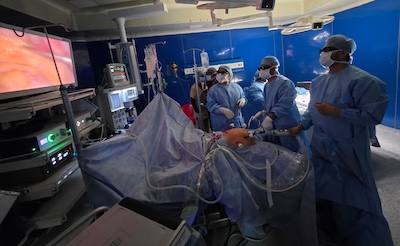
A 33-year-old patient Sushmita was saved from lifetime of diabetes and digestive complications through a rare, high-precision pancreatic surgery at CARE Hospitals, Malakpet.
The surgery turned a seemingly routine complaint of abdominal discomfort into a story of timely diagnosis and organ preservation.
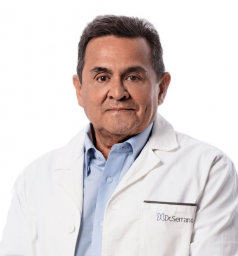
Led by Dr. Bhupathi Rajendra Prasad, the team performed a laparoscopic central pancreatectomy followed by a Roux-en-Y pancreaticojejunostomy, an advanced, organ-preserving procedure that removes only the tumour while retaining maximum healthy pancreatic tissue and function.
The complexity of the case was significant. The patient had a soft pancreas and an extremely small pancreatic duct of just 2 mm, conditions that increase surgical risk and make reconstruction particularly challenging. Central pancreatectomy itself is performed in only a small subset of cases, and doing it laparoscopically demands a high level of surgical expertise.
“This case was not just about removing the tumour, it was about protecting the patient’s future quality of life,” said Dr. Bhupathi Rajendra Prasad. “When we remove a large portion of the pancreas, patients often face lifelong challenges like diabetes and digestive issues. In younger patients, preserving pancreatic function becomes extremely important. Central pancreatectomy allows us to achieve that balance. Performing it laparoscopically, in a setting with a small duct and soft gland, is demanding, but it offers clear benefits in terms of recovery and long-term health.”
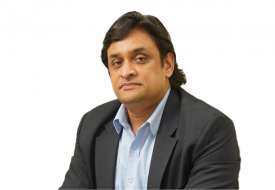
Praveen Kumar Edla, Chief Operating Officer, CARE Hospitals, Malakpet, said, “This case underscores a key shift in modern healthcare, moving from just treating disease to preserving quality of life. For a young patient, avoiding lifelong dependence on insulin or digestive medications makes a significant difference. At CARE Hospitals, Malakpet, our focus is on bringing such advanced, patient-centric care closer to the community, ensuring better outcomes both clinically and functionally.”

Subscribe To Our Newsletter & Stay Updated