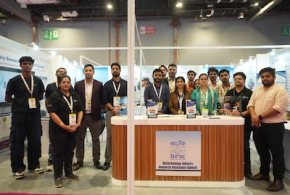
The clinical study in France evaluated the safety and feasibility of Robocath’s robotic-assisted coronary intervention platform across complex cardiac cases.
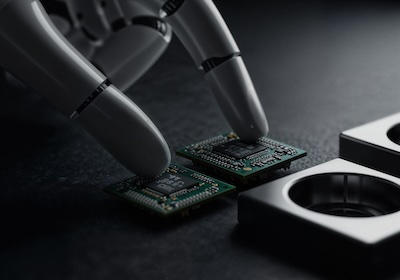
Robocath has completed patient enrollment in its First-In-Human (FIH) clinical study evaluating the company’s next-generation robotic system for percutaneous coronary interventions (PCI), marking a significant milestone in robotic-assisted interventional cardiology.
The study was conducted at the Centre Cardiologique du Nord and led by principal investigators Mohammed Nejjari and Franck Digne. It assessed the feasibility and safety of Robot-Assisted Percutaneous Coronary Intervention (RA-PCI) in patients with coronary artery disease.
The trial enrolled 20 adult patients with varying levels of coronary lesion complexity, including highly challenging Type B2 and Type C anatomies commonly encountered in real-world catheterization laboratories.
“Completing enrollment in this First-In-Human study is a defining moment in the field of interventional cardiology,” said Dr. Mohammed Nejjari. “For the first time, we have demonstrated that robotic assistance can be safely and reliably applied to the full spectrum of coronary lesion complexity, including the most challenging anatomies.”
According to the company, no safety concerns related to the robotic system have been reported so far, and early technical outcomes across all lesion categories have been encouraging.
Philippe Bencteux, CEO of Robocath, described the achievement as a key milestone in validating the company’s robotic technology for managing complex coronary artery disease procedures.

Subscribe To Our Newsletter & Stay Updated