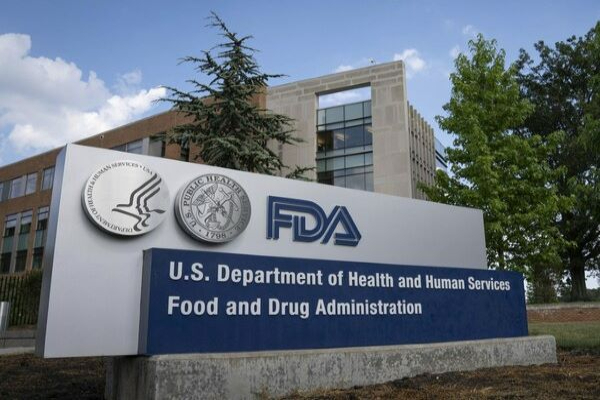
The US Food and Drug Administration is ramping up pressure on drug developers and researchers, reminding more than 2,200 companies and investigators to comply with federal requirements.
It has asked them to submit clinical trial results to ClinicalTrials.gov—a move aimed at closing persistent gaps in public medical data.
At the heart of the issue is a long-standing pattern of missing or delayed reporting, particularly for negative or inconclusive findings.
Regulators say this creates a distorted public record that overemphasizes successful outcomes while hiding failures, skewing perceptions of drug safety and effectiveness. According to an internal analysis, 29.6% of studies likely subject to mandatory reporting rules still have no results posted.
Those requirements apply to interventional studies with a US nexus involving FDA-regulated products that are past their reporting deadlines, though they exclude Phase 1 trials and device feasibility studies.
“Far too often, companies are suppressing unfavorable clinical trial results and keeping them secret from patients and the scientific community. Those sponsoring clinical trials have an ethical obligation to make results public regardless of the data’s influence on the company’s share price," said Marty Makary.
"Too many clinical trial sponsors and researchers are failing to report their results, leaving important information unavailable to clinicians and other researchers. If you are a doctor deciding whether or not to prescribe a medication to a patient, you deserve to have the best data about clinical studies on that medication.”
On March 30, 2026, the agency sent compliance messages to more than 2,200 companies and researchers linked to over 3,000 registered trials—including some publicly funded studies—that appear to be missing required results submissions or have not completed quality control review through the National Library of Medicine.
The FDA emphasized that these messages are not immediate enforcement actions, but part of a voluntary compliance push before potential escalation. The agency may still issue formal Pre-Notices and Notices of Noncompliance as part of its broader enforcement strategy.
“I fully support this new initiative to increase the prompt publication—as required by law—of results information from interventional studies of the medical products we regulate,” said Tracy Beth Hoeg of the Center for Drug Evaluation and Research.
“We hope that the thousands of messages sent to sponsors and investigators reminding them to publicly report their findings will improve patient safety and keep researchers and the public better informed of benefits and risks of new and investigational products.”