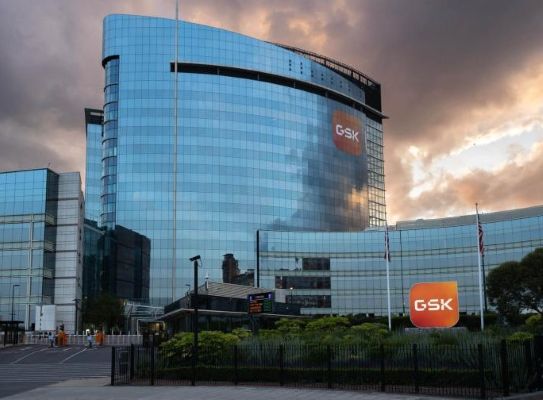
GSK has completed its acquisition of Nuvalent, a Boston-based clinical-stage biotechnology company, in a deal valued at approximately $10.6 billion, strengthening the pharmaceutical giant’s position in precision oncology.
The acquisition gives GSK access to three promising lung cancer programmes, including zidesamtinib (NVL-520) and neladalkib (NVL-655), two targeted therapies currently under review by the US Food and Drug Administration (FDA) for patients with ROS1-positive and ALK-altered non-small cell lung cancer (NSCLC).
Both medicines have received FDA Breakthrough Therapy and Orphan Drug Designations and are expected to launch in 2026 if approved, with potential to become multi-blockbuster products. The deal also includes NVL-330, a phase I programme targeting HER2-altered NSCLC.
GSK Chief Executive Officer Luke Miels said the acquisition marks a major step in the company’s expansion into lung cancer treatment.
“Today’s deal completion accelerates our entry into lung cancer with zidesamtinib and neladalkib and a platform for rapid expansion with Ris-Rez, our B7-H3 targeted ADC in phase III development. There is a clear need for these medicines in defined patient populations, consistent with our approach of acquiring validated assets that aim to improve standard of care.”
The transaction, first announced earlier this year, was completed through a tender offer for all outstanding Nuvalent shares. After accounting for acquired cash, GSK’s total investment stands at approximately $9.4 billion.
NSCLC is the most common form of lung cancer and is frequently driven by genetic alterations involving targets such as ALK, ROS1 and HER2. The disease can spread to the central nervous system, and existing treatments can be limited by drug resistance and side effects that affect patients’ quality of life.
Nuvalent’s pipeline is built around precision-designed small molecules aimed at overcoming resistance, reducing adverse events and improving outcomes for patients with genetically defined cancers. The company’s programmes focus on ROS1-positive, ALK-positive and HER2-altered NSCLC, alongside earlier-stage discovery efforts.
The acquisition supports GSK’s wider oncology strategy, which aims to expand beyond its established focus on blood and women’s cancers into lung, gastrointestinal and other solid tumours.