KIMS Hospitals has become the first health centre in India to introduce Adaptive Deep Brain Stimulation (aDBS), a breakthrough in neurotechnology for Parkinson’s disease patients.
The hospital now offers the country’s only complete sensing-enabled closed-loop system, giving patients a personalised approach to neuromodulation therapy.
Built on the Percept Platform and enhanced with BrainSense technology, the system can adjust stimulation levels in real time, responding to brain signals without manual intervention. Unlike previous DBS devices, which delivered constant stimulation, adaptive DBS detects fluctuations in brain activity and automatically increases or decreases stimulation, while specialist doctors define thresholds and parameters.
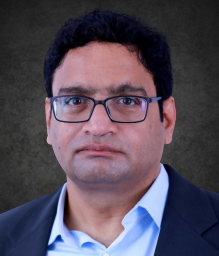
“Adaptive DBS provides some major advantages,” said Dr Guruprasad Hosurkar, Director & Lead Consultant in Neurology and Head of the Parkinson’s Disease and Movement Disorder Programme at KIMS Hospitals.
“First, it significantly reduces the need for patients to manually adjust their device settings, as the system automatically responds to symptom fluctuations. Secondly, studies show that overall stimulation usage will decrease by approximately 50%, which could increase battery life and reduce long-term battery replacement costs.
"Thirdly, since there is less excess stimulation received during longer periods of time, there may be a reduced risk of developing long-term stimulation-related side effects to the brain tissue surrounding the implant.”
The technology was first approved in the United States and later introduced in select locations worldwide, including Japan. India received regulatory approval earlier this year, with KIMS Hospitals among the first to implement it.
“In the first phase, we will upgrade select existing DBS patients to the adaptive platform through a software update and advanced programming interface. The hospital plans to implement the new technology for four to five eligible patients in early March,” said Dr Raghuram Gopalakrishnan, Director & Senior Consultant, Head of Stereotactic and Functional Neurosurgery.
He added, “AI in medicine has been a significant boost in advancing patient care when used appropriately, and Adaptive DBS is an example of that, where the AI algorithm analyses the waveforms from the neurons and adjusts stimulation parameters accordingly.”
Dr Nitish Shetty, Managing Director, KIMS Hospitals, Bengaluru, said, “The introduction of adaptive closed-loop DBS marks a transformative step in how we deliver personalised neurological care at KIMS. By launching this advanced technology in India, we remain committed to developing worldwide standard innovations that will directly impact patient outcomes and enhance quality of life.”
With this move, KIMS Hospitals strengthens its position as a leader in evidence-based neurological care, offering Indian Parkinson’s patients real-time, individualised therapy that responds directly to their brain activity.