L V Prasad Eye Institute (LVPEI) is among only 11 eye care institutions worldwide designated by the WHO Director-General to support the organization's global programmes
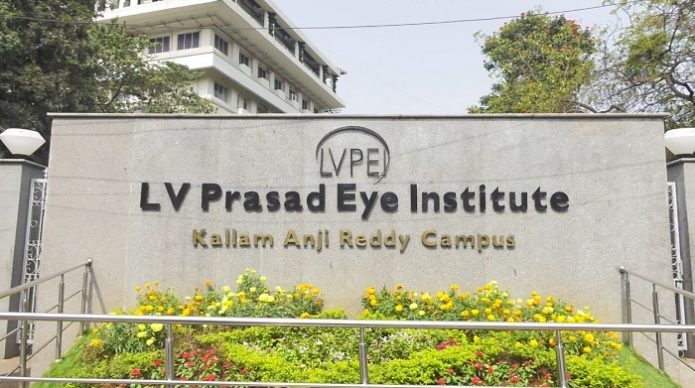
The World Health Organization (WHO) has redesignated the L V Prasad Eye Institute (LVPEI) as a WHO Collaborating Centre for the Prevention of Blindness for another four-year term, extending its designation until 2030. The institute was first accorded this recognition in 2001 and has now completed 25 years as a WHO Collaborating Centre.
LVPEI is among only 11 eye care institutions worldwide designated by the WHO Director-General to support the organization's global programmes on eye care and blindness prevention.
According to the WHO, nearly 2.2 billion people worldwide live with some form of vision loss, while almost 1 billion people have never received eye care despite needing it.
The burden is disproportionately borne by low- and middle-income countries, where access to essential eye care services remains limited. Nearly two-thirds of people requiring corrective spectacles do not have access to them, while only one in two individuals needing cataract surgery receives the procedure.
As a WHO Collaborating Centre, LVPEI will continue to support the global health body's efforts to achieve universal health coverage by contributing its expertise in public health ophthalmology, epidemiology, capacity building, and evidence-based policy development.
The institute will also assist in generating best practices, developing clinical and public health guidelines, and strengthening the eye care workforce.
Dr. Gullapalli N. Rao, Founder Chair, LVPEI, said,"This redesignation underscores two decades of collaboration between LVPEI and WHO in advancing public health eye care. It is both an honour and a responsibility. The burden of vision loss is highest in our settings, but so is the diversity of solutions. We look forward to making a meaningful difference in the years ahead."
Dr. Rohit Khanna, Network Director – Public Health, LVPEI, said, “The WHO Collaborating Centre designation includes a detailed work plan and the need to provide technical inputs into the global eye care strategy over the next four years. I am confident that, working in close partnership with our colleagues at WHO, we will successfully achieve our shared goals of improving access to quality eye care and reducing avoidable blindness," he said.

Subscribe To Our Newsletter & Stay Updated