Consensus calls for nationwide adoption of potassium-enriched salt to reduce cardiovascular disease risk
Leading experts across clinical medicine, public health, and nutrition have endorsed potassium-enriched low-sodium salt substitutes (LSSS) as an effective, scalable intervention to reduce hypertension and cardiovascular disease in India.
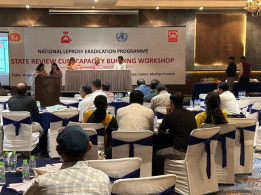
The consensus was developed at a conference hosted by the The George Institute for Global Health India in collaboration with Resolve to Save Lives, followed by a national webinar involving policymakers, clinicians, and public health leaders.
India consumes 8–11 grams of salt daily, almost double the recommended limit, largely from salt added at home. Experts highlighted that addressing household salt use could deliver the greatest impact.
Low-sodium salt substitutes, containing 70–75% sodium chloride and 25–30% potassium chloride, reduce sodium intake while increasing potassium—helping lower blood pressure and cardiovascular risk.
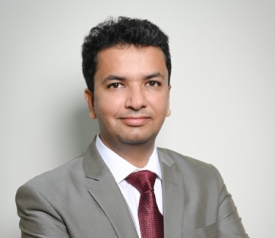
Vivekanand Jha, Executive Director, The George Institute for Global Health India, said, “High sodium and low potassium intake drive hypertension. Low-sodium salt substitutes cut sodium and restore potassium, which is key to lowering blood pressure. With no change in taste and proper safeguards, this is a safe, scalable solution for India’s NCD strategy.”
Syed Imran Farooq, Executive Director, Resolve to Save Lives India, added, “Reducing excess sodium is one of the most impactful steps to prevent hypertension. Potassium-enriched LSSS are practical, effective, and scalable—this consensus moves from evidence to action aligned with national goals.”
Evidence supports the intervention’s impact. A 2021 Indian trial showed a 4.6 mm Hg reduction in systolic blood pressure, while a large China study reported reductions in stroke, cardiovascular events, and mortality. Modelling suggests nationwide adoption could prevent up to 14% of cardiovascular deaths.
Sailesh Mohan, Deputy Director, Centre for Chronic Disease Control, Delhi, said, “Governments should support public procurement across programmes like mid-day meals, ICDS, PDS, hospitals, railways, and institutional canteens, while driving food industry reformulation in high-salt products.”
Meenakshi Sharma, Former Scientist G, NCD Division, ICMR, noted, “Scaling LSSS requires more evidence in high-risk groups, along with trials and real-world studies to guide policy, procurement, and wider adoption.”
Ambuj Roy, Department of Cardiology, AIIMS, New Delhi, said, “LSSS can act like a ‘dietary vaccine’ for hypertension—a low-hanging, passive intervention offering 24/7 cardiovascular protection without changing taste.”
Sachdev Meenakshi, Dietician, Tamil Nadu Government Multi Super Speciality Hospital, Chennai, added, “Despite strong evidence, LSSS remain underused. We need an ‘all hands-on deck’ approach—moving from awareness to prescription, training, and integration into public programmes.”
Sandeep Mahajan, Professor, Nephrology, AIIMS, New Delhi, said, “Risks are often overstated. With simple screening and guidance, nearly 90% of people can safely benefit—what we need now is to overcome therapeutic inertia.”
Experts concluded that scaling potassium-enriched salt substitutes, especially at the household level—offers India a major opportunity to reduce blood pressure, prevent strokes and heart attacks, and lower premature mortality.

Subscribe To Our Newsletter & Stay Updated